The beautiful people on the beach had problems of their own
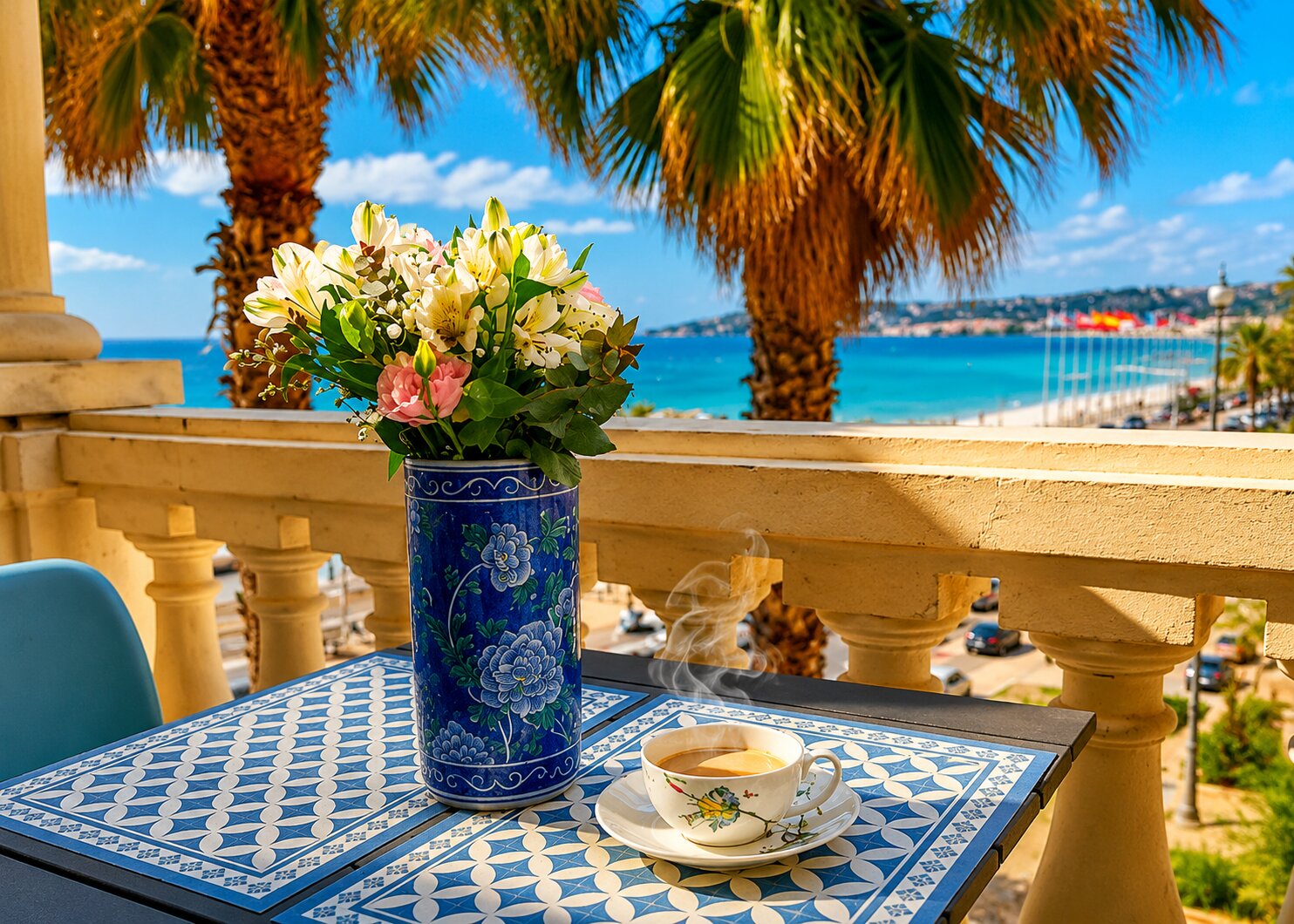
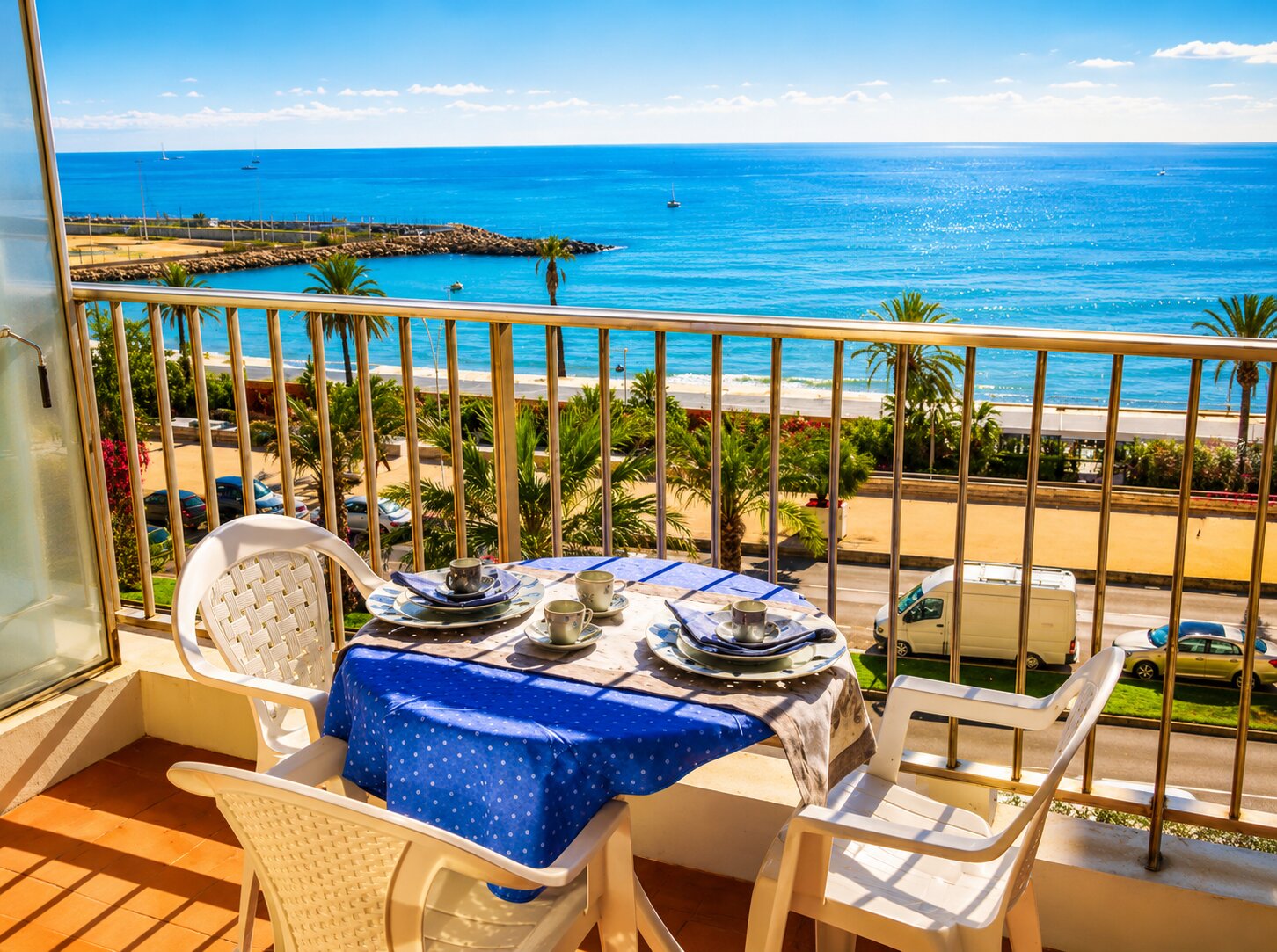
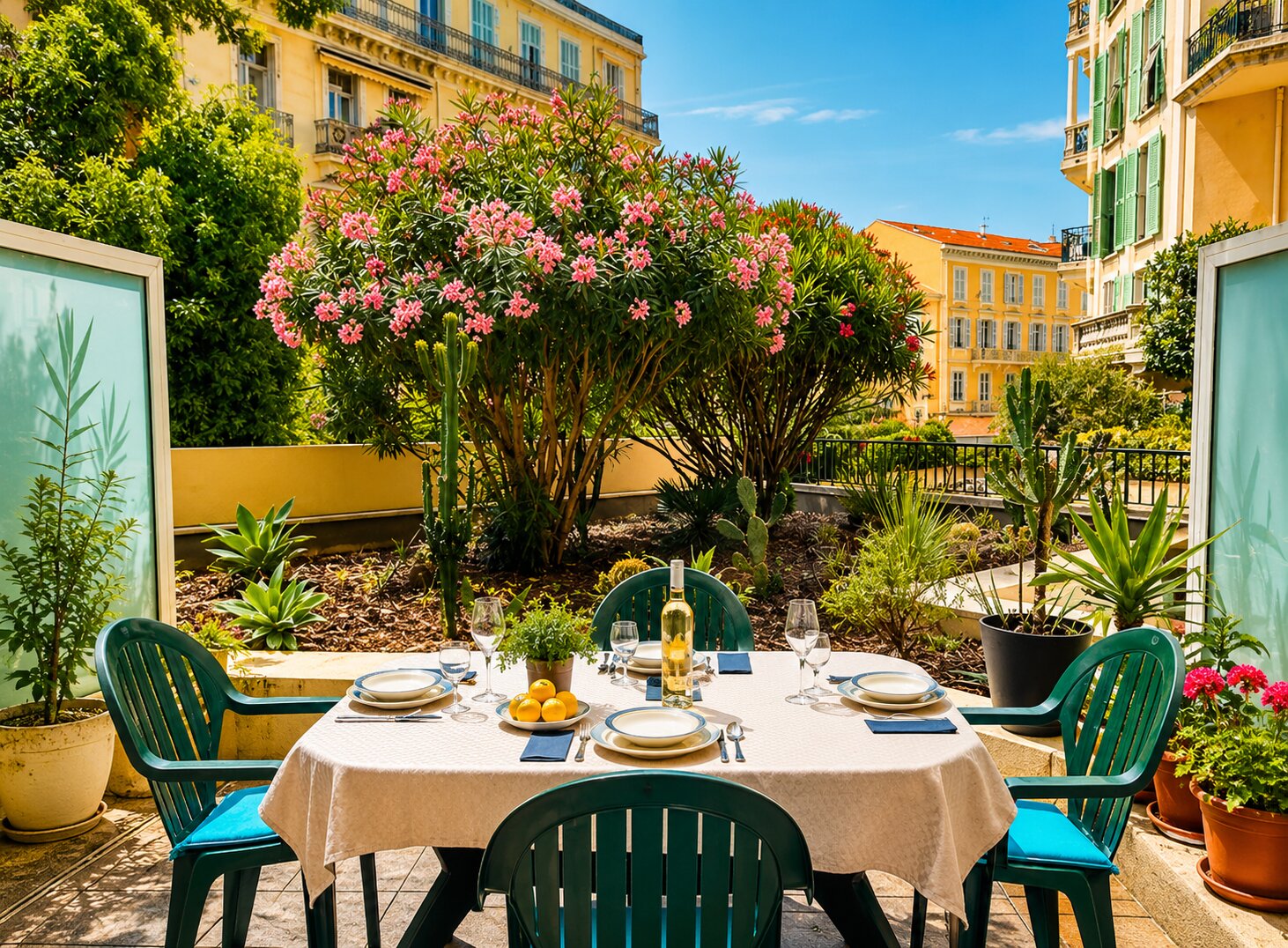
Imagine the French Riviera in the summer of the 1920s. The Mediterranean is intensely blue. The beaches are lined with pines. Wealthy Americans have discovered that southern France offers considerably more freedom than the respectable society they left behind. There are lunches that last all afternoon, parties that continue into the morning and expensive hotels filled with writers, artists and people whose main occupation seems to be enjoying themselves. For a young American actress arriving on the coast, it looks like paradise.
Then she meets Dick and Nicole Diver. Charming, wealthy and apparently effortless in everything they do, the Divers seem to possess a remarkable gift for making people feel that life is more interesting in their company. But appearances are unreliable. That is the world of Tender Is the Night, F. Scott Fitzgerald's 1934 novel about the glamour and psychological cost of expatriate life on the French Riviera.
It's a story of beauty, ambition, marriage, emotional dependence and the gradual erosion of a seemingly perfect existence. The setting is essential. Fitzgerald knew the Riviera intimately. He and his wife Zelda spent substantial periods here during the 1920s, particularly around Juan-les-Pins and Cap d'Antibes. They belonged to an international artistic circle that included Ernest Hemingway, Pablo Picasso and the extraordinary American couple Gerald and Sara Murphy. The Murphys helped inspire the fictional Divers.
But Fitzgerald's novel is not a straightforward account of their lives. It combines observation, memory, personal experience and invention to create something far more complicated. This guide explores the real places behind that literary world and suggests how to visit them from Menton. It is not a claim that the novel takes place in Menton. For this book, the strongest documented connections lead west, towards Juan-les-Pins and Cap d'Antibes.
1. Discover Tender Is the Night
Title: Tender Is the Night Author: F. Scott Fitzgerald (1896–1940) First published: 1934, Charles Scribner's Sons Genre: Literary fiction, psychological novel, modernist fiction Principal settings: The French Riviera, Paris and Switzerland, with later developments elsewhere Historical atmosphere: The expatriate world of the 1920s Tender Is the Night was Fitzgerald's fourth and final completed novel. Its opening takes readers to a fashionable Mediterranean beach, where the young actress Rosemary Hoyt encounters an established group of wealthy Americans.
At the centre of the group are Dick and Nicole Diver. Dick is a brilliant psychiatrist with an apparently irresistible social personality. Nicole comes from a wealthy American family and has a complicated history of psychiatric illness and treatment. Their marriage seems glamorous from the outside. Yet the book gradually reveals the strain beneath that appearance.
More than a Riviera romance
The novel explores the relationship between personal identity and social performance. Dick is admired for making other people comfortable, entertained and included. But what happens when maintaining that effortless charm becomes a responsibility? Nicole's wealth gives the couple enormous opportunities, yet it also complicates the balance of independence and dependence within their marriage. The novel asks whether a beautiful life can conceal a deeply unstable one. Its Riviera setting is not decorative.
The beaches, villas and parties make the characters' apparent happiness convincing, which makes the tensions beneath it more unsettling.
Where to find the book
Tender Is the Night by F. Scott Fitzgerald, Pan Macmillan
The novel is available in numerous editions, including editions arranged according to different chapter chronologies. For first-time readers, we recommend the original 1934 narrative structure, which begins on the Riviera and gradually reveals earlier events.
2. Why the French Riviera mattered to Fitzgerald
Fitzgerald and Zelda were among the American writers and artists who travelled to Europe after the First World War. The French Riviera was changing. For decades, it had been associated primarily with wealthy winter visitors from northern Europe. During the 1920s, American expatriates helped popularise summer holidays on the coast. Beach swimming, sunbathing, informal parties and a new kind of outdoor leisure culture became fashionable. Juan-les-Pins and Cap d'Antibes were particularly important centres of this transformation.
The Fitzgeralds' Riviera years
These dates matter because the novel was not written in one uninterrupted Riviera summer. Fitzgerald developed different versions of the manuscript over many years. The final book brought together his observations of expatriate society and experiences that occurred long after the family's most glamorous Mediterranean period.
The distinction between inspiration and autobiography
Dick and Nicole are not simply Scott and Zelda with different names. Nor are they exact representations of Gerald and Sara Murphy. The characters combine traits, situations and tensions drawn from different lives. This makes the novel more interesting than a disguised family memoir. It also means that visitors should avoid assigning fictional events to real houses without strong evidence.
| Period | Historical connection |
|---|---|
| 1924 | Scott and Zelda spent time in Saint-Raphaël, farther west along the Riviera |
| 1925 | They spent time around Antibes and developed their friendship with Gerald and Sara Murphy |
| Early March 1926 | They rented Villa Paquita in Juan-les-Pins |
| May–December 1926 | They lived at Villa Saint-Louis, now associated with Hôtel Belles Rives |
| 1934 | Tender Is the Night was published after years of drafting and revision |
3. Gerald and Sara Murphy: the couple behind the glamour
Among the most important people in the story of Fitzgerald's Riviera were Gerald and Sara Murphy. The American couple had settled into European expatriate life during the 1920s. Their home at Cap d'Antibes, Villa America, became a gathering place for artists, musicians and writers. Guests included Picasso, Hemingway and the Fitzgeralds. The Murphys were admired for their taste, hospitality and ability to create an atmosphere in which creative people wanted to spend time.
Why are they important to the novel?
The fictional Divers possess some of the same qualities. Dick and Nicole seem able to transform ordinary social encounters into extraordinary experiences. They arrange gatherings, bring people together and create an impression of effortless elegance. But the deeper conflicts of the fictional marriage shouldn't automatically be attributed to the Murphys. Research based on their surviving correspondence shows that Fitzgerald drew from more than one personal relationship when developing the novel. The Murphys helped provide the luminous social world.
Fitzgerald's own experiences contributed other, more troubled elements.
Villa America: can you visit?
Villa America was the Murphys' private residence at Cap d'Antibes. Its literary importance is well documented, but it should not be treated as a public museum or an unrestricted visitor attraction. For an independent trip, explore the public coastal environment of Cap d'Antibes instead. A visit to the surrounding beaches and public paths can provide historical context without intruding on private property.
4. Villa Saint-Louis: where Fitzgerald actually lived
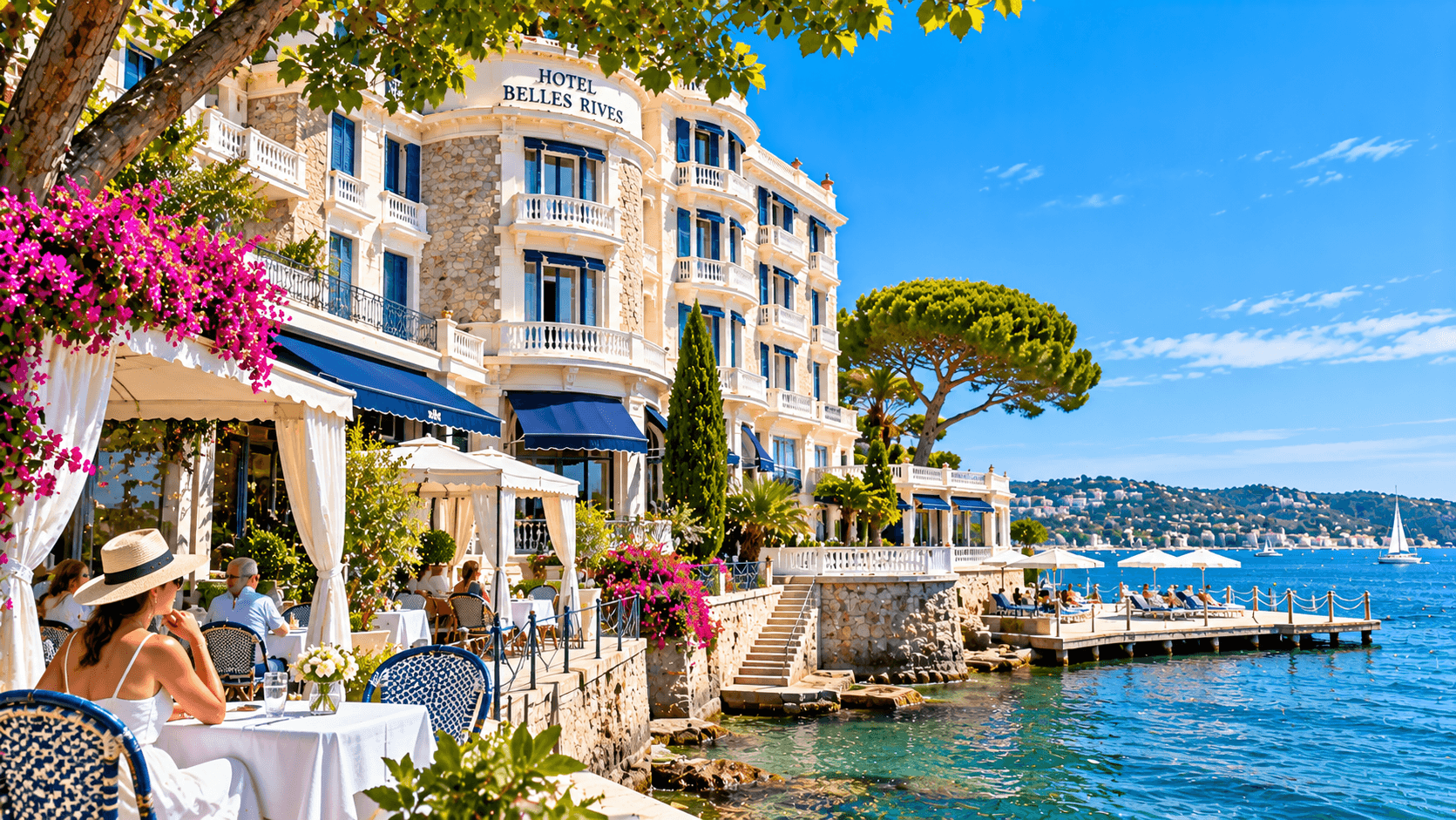
Location: Juan-les-Pins, now associated with Hôtel Belles Rives. This is the most important directly identifiable Fitzgerald residence for the itinerary. In 1926, Scott and Zelda lived in Villa Saint-Louis, a seaside property overlooking the bay near Juan-les-Pins. The building later became Hôtel Belles Rives. Unlike the fictional Villa Diana of Tender Is the Night, this is a real, documented Fitzgerald address.
From villa to hotel
After the Fitzgeralds departed, the building was acquired and transformed into a seaside hotel. It opened under its new identity in 1929. The original villa has been enlarged and altered over the years, but the property continues to celebrate its connection with the writer. Its setting beside the Mediterranean gives visitors a tangible sense of the coastal world Fitzgerald knew.
What can you see today?
Hôtel Belles Rives remains an operating luxury hotel. The façade, waterfront setting and Art Deco atmosphere evoke the international resort culture that developed around Juan-les-Pins. The hotel also has a Bar Fitzgerald commemorating the writer's connection with the property.
Can you visit without staying overnight?
The hotel is private commercial property. Access to its restaurant, bar and other facilities depends on current opening arrangements, reservations and hotel policies. Its beach and pontoon are not unrestricted public facilities. If you want to have a drink or meal, contact the hotel in advance to confirm whether the venue is welcoming non-residents. You can also appreciate the broader waterfront setting from public areas. Official website:Official hotel website
Why this location matters
This is not a fictional address inferred from the story. It is a real place associated with Fitzgerald's life and the early development of the novel. That makes it a particularly strong stop for literary travellers.
viewpoint
viewpoint
Hôtel Belles Rives / Villa Saint-Louis
The Fitzgeralds' documented 1926 Villa Saint-Louis, now a private hotel. View the context from authorised public areas; confirm bar or restaurant reservations. Beach and pontoon are not unrestricted public facilities.
33 Boulevard Edouard Baudoin, 06160 Juan-les-Pins
5. Juan-les-Pins: the Riviera that learned to enjoy summer
Location: Juan-les-Pins, Antibes. Juan-les-Pins was central to the Riviera's transformation from a winter resort into a summer destination. American visitors helped create a new social culture around the beach. Instead of remaining in hotels and formal gardens, fashionable guests increasingly embraced swimming, sunbathing and outdoor entertainment. This change forms an important part of the background to Tender Is the Night.
A beach as a social stage
The novel begins by introducing Rosemary to the carefully arranged social world around the Divers. The beach is not simply a place to swim. It's somewhere people watch one another, form impressions and establish social boundaries. Who sits with whom matters. Who belongs to the group matters. And who is excluded may matter even more.
What to do in Juan-les-Pins
Walk along the public seafront. Explore the beach and harbour area. Notice the relationship between the hotels and the waterfront. Imagine how a small group of international visitors could reshape the social reputation of an entire resort. You don't need to hire a luxury sunbed to appreciate the setting. The public beach areas provide enough atmosphere for an interesting literary visit.
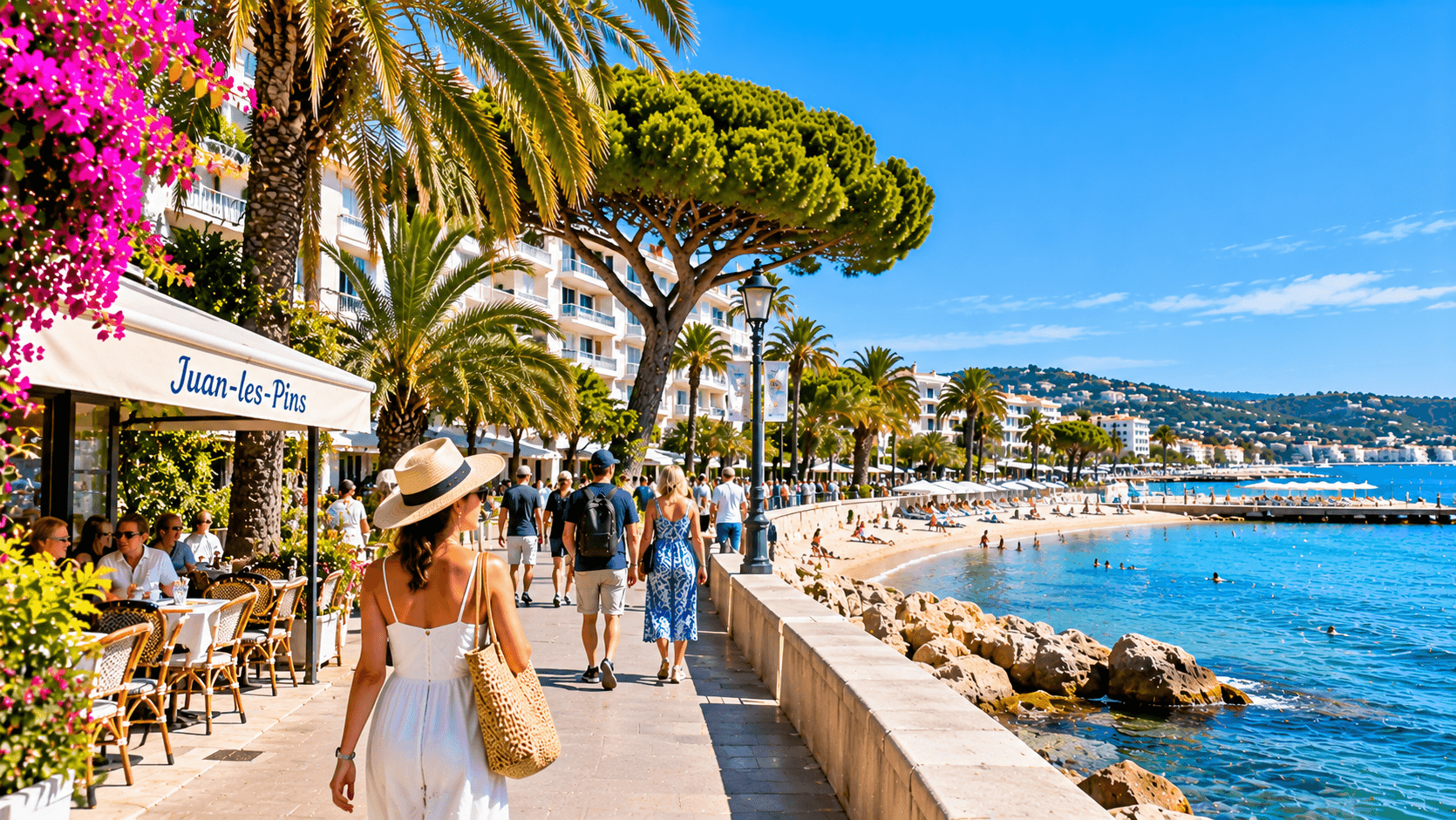
walk
walk
Juan-les-Pins public seafront
Public waterfront context for the resort's 1920s summer culture. Choose public sections; private beach concessions and hotel facilities have separate access rules. Not a claim that each fictional beach scene has been located.
Front de mer, Juan-les-Pins, Antibes
6. Cap d'Antibes and La Garoupe: the world of the Murphys
Cap d'Antibes is the strongest geographical setting for understanding the combination of private villas, beaches and fashionable society that influenced Fitzgerald. The peninsula is known for pine trees, rocky coastal paths, sheltered coves and large historic estates. Its beauty helps explain why the Murphys and their circle were drawn to it.
The real beach
La Garoupe is one of the area's famous beaches. It offers a mixture of public and privately operated sections. The protected cove and surrounding vegetation provide an excellent impression of the natural environment enjoyed by summer visitors during the 1920s.
Is this the precise beach from the novel?
The novel begins near the fictional Gausse's Hôtel des Étrangers, commonly connected by literary commentators with the luxury hotel environment of Cap d'Antibes. The real Hôtel du Cap-Eden-Roc provides an important historical comparison. But Gausse's hotel remains fictional. You should not treat a modern hotel reservation as entry into the exact rooms described in the novel. Likewise, the beach visit is a way of exploring the historical and geographical background, not identifying where every fictional character sat.
Visiting La Garoupe in 2026
The public beach remains accessible, but substantial improvement works affect its surroundings. The current official notice says works resumed on 7 September 2026. It lists the public beach as open, road traffic on chemin de la Garoupe as interrupted during the works, and coastal-path access only via the beach. Completion is planned for the end of 2026, not guaranteed. This published notice is not a same-day site inspection. Check the latest notice before travelling.
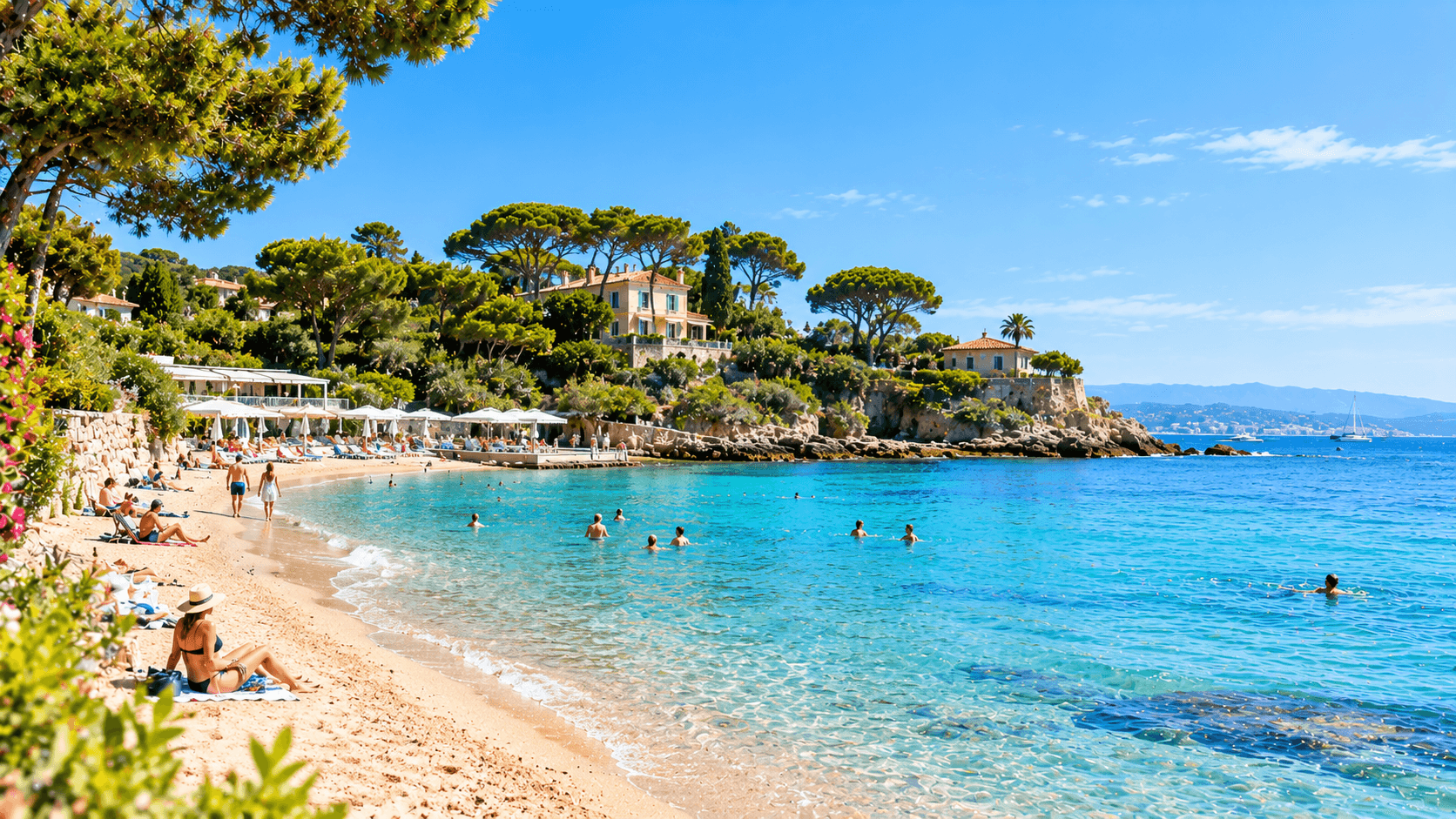
beach
beach
Plage de la Garoupe
Public and privately operated beach areas in the Murphys' coastal landscape. Context for the novel, not an exact fictional beach coordinate; works and weather can change access.
La Garoupe, Cap d'Antibes
Official notice: works resumed 7 September 2026; public beach listed open, chemin de la Garoupe road traffic interrupted, coastal-path access only via beach. Completion planned for end 2026, not guaranteed. Recheck before travelling.
Source checked:
7. Hôtel du Cap-Eden-Roc and the fictional Gausse's hotel
One of the first places encountered in Tender Is the Night is Gausse's Hôtel des Étrangers, an elegant hotel overlooking the Mediterranean. Its proximity to fashionable beach society is essential to the opening. Literary commentary has frequently associated this fictional establishment with Hôtel du Cap-Eden-Roc and the surrounding Cap d'Antibes hotel culture.
What is historically real?
Hôtel du Cap-Eden-Roc is a celebrated luxury hotel established in the nineteenth century. Its grounds, terraces and relationship with the sea reflect a particular tradition of elite Riviera travel.
What is fictional?
The name Gausse's Hôtel des Étrangers, its characters and the events described in the novel. Fitzgerald used the experience and atmosphere of real establishments to create a fictional environment.
Can you visit?
Hôtel du Cap-Eden-Roc is a private luxury property, not a general-access heritage site. During the operating season, some restaurants may accept advance reservations from non-residents, but other facilities are reserved for hotel guests. Checked on 2 November 2026: the hotel announces its seasonal closure and the next season from 18 April to 17 October 2027. Do not plan an interior visit or restaurant stop here during the current closure. Do not assume the grounds, pool or beach areas are open to casual visitors.
For a literary outing that doesn't depend on a luxury reservation, explore the public coast instead. Official website:Official hotel website
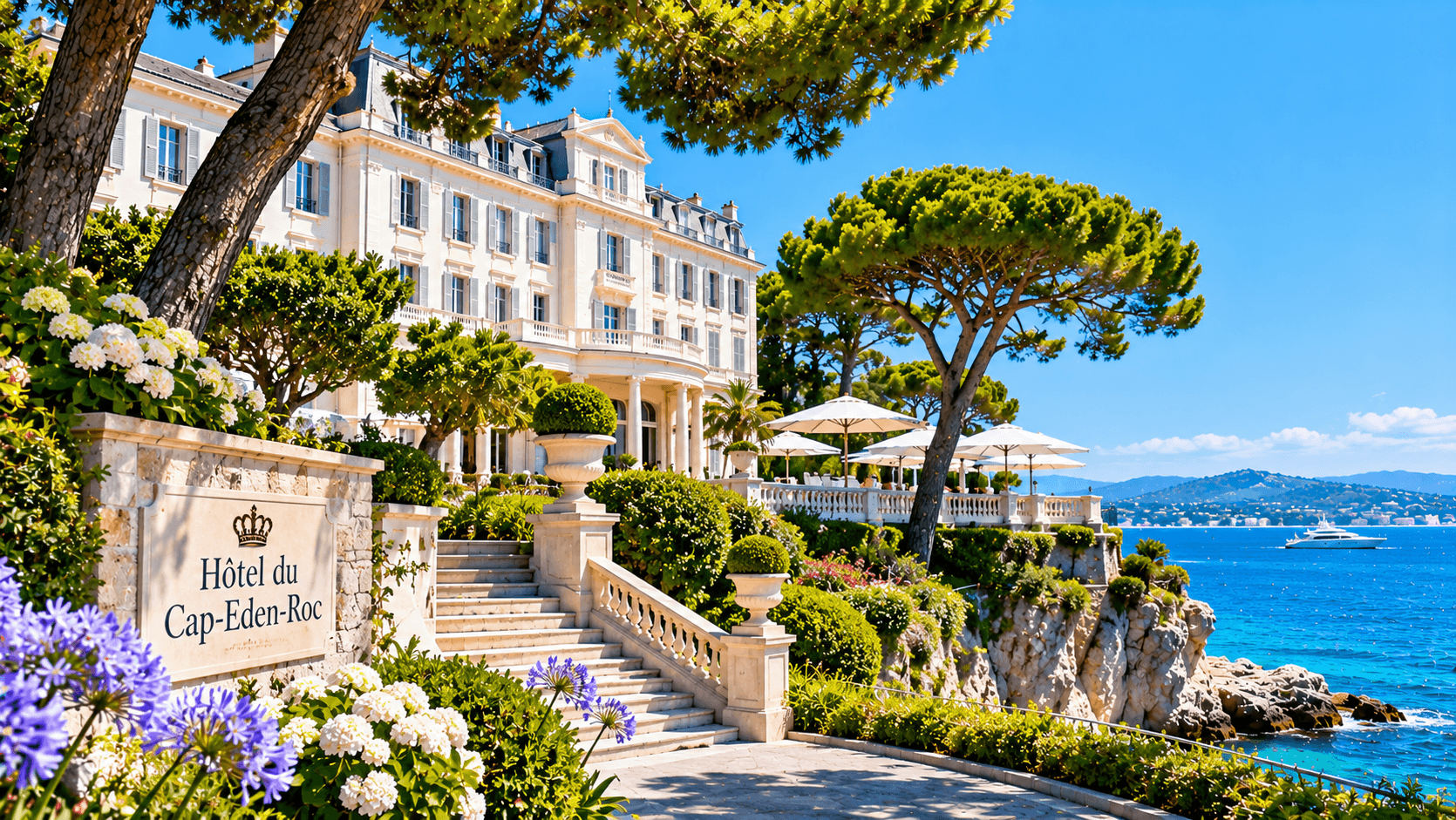
viewpoint
viewpoint
Hôtel du Cap-Eden-Roc
Real hotel often compared with Fitzgerald's fictional Gausse's Hôtel des Étrangers. Not the literal rooms or events of the novel; literary interest does not grant entry.
Cap d'Antibes, Antibes
Hotel announces seasonal closure and next season 18 April–17 October 2027. Historical comparison only during closure, not an available interior or restaurant stop. Private grounds, pool and beach are not unrestricted visitor facilities.
Source checked:
8. Villa Diana: the fictional house behind the novel
Dick and Nicole Diver's villa, Villa Diana, is central to their social world. It represents the couple's ability to create an apparently perfect life. A beautiful home, an extraordinary setting and a constant flow of fascinating guests. But the house also becomes a symbol of the pressures hidden within that life.
Is Villa Diana a real property?
It is a fictional residence. Scholars have identified Villa America and the Murphys' social world as important sources of inspiration. That doesn't make Villa America and Villa Diana identical. The two houses belong to different categories. One is a documented historical residence. The other is a literary creation.
Why does the distinction matter?
Because historical houses can become burdened with stories that never actually happened there. A fictional argument, relationship or personal crisis shouldn't be attached to real residents simply because the author drew inspiration from their environment. Visitors can appreciate the authentic history of the Murphys without turning their home into a literal reconstruction of the Divers' marriage.
9. The darker side of the expatriate dream
At first, the world of Tender Is the Night seems extraordinarily attractive. The characters have money, friends, beautiful surroundings and the freedom to travel. But Fitzgerald is interested in what happens when that lifestyle becomes unsustainable. The novel explores emotional dependence, the pressures of wealth, psychological vulnerability and a changing sense of identity.
Dick Diver and the performance of charm
Dick's gift for making others feel welcome is central to his personality. He can organise a social world around himself, bringing together people who might otherwise remain strangers. Yet hospitality can become exhausting. Constantly meeting other people's emotional expectations may leave little room for one's own needs.
Nicole Diver and the limits of wealth
Nicole's family fortune provides opportunities and security. But wealth doesn't erase the complexities of her personal history or the relationships around her. Her story should not be reduced to a simple illustration of medical diagnosis or a reflection of Zelda Fitzgerald's life. The novel's psychiatric framework also belongs to the intellectual and clinical assumptions of its period. Modern readers should approach those elements critically.
The beauty of the setting
The Riviera does not cure these difficulties. It makes their contrast more visible. A person can live in an extraordinary villa, have access to everything money can buy and still struggle to build a sustainable life. That is one of the novel's most enduring ideas.
10. A literary day trip from Menton
For visitors staying in Menton, we recommend a separate excursion to Juan-les-Pins and Cap d'Antibes. This is where the strongest documented historical connections are concentrated.
The shorter version: Juan-les-Pins
Best for: Readers without a car who want a manageable outing. Travel by regional train from Menton towards Juan-les-Pins, checking the actual timetable and any required connections. Explore the public waterfront. See the exterior setting of Hôtel Belles Rives from authorised public areas. Stop for coffee or lunch. Take time to appreciate the beaches and resort architecture. Return to Menton by train. Allow: Approximately half a day to a full day, depending on travel and meal arrangements.
The fuller version: Juan-les-Pins and Cap d'Antibes
Best for: Visitors interested in the Murphys, landscape and Riviera history. Begin in Juan-les-Pins. Explore the historic waterfront and the area around Hôtel Belles Rives. Continue towards Cap d'Antibes using suitable local transport. Visit the public section of La Garoupe beach. If the weather, coastal-path access and your physical ability permit, explore a suitable section of the coastal walking route. Return using a planned local connection and regional train. Allow: One full day.
The two parts are not a mandatory continuous walking route: plan separate transport between Juan-les-Pins and La Garoupe.
Why not include every famous villa?
Because most of the properties associated with this literary world remain private. A good itinerary should be built around places visitors can legitimately enjoy. Public beaches, promenades and the documented exterior context of historic buildings provide a rewarding experience without intruding on residents or hotel guests.
Menton to Ventimiglia / Italy
A practical choice for markets, Italian food and a short cross-border trip.
Useful links
11. The coastal path: beautiful, but not always easy
Cap d'Antibes has one of the Riviera's most attractive coastal walking routes, often called the Sentier de Tirepoil. It passes rocky shorelines, Mediterranean vegetation and dramatic coastal views. The full route is not an easy urban promenade. Some sections contain irregular surfaces and exposed rocky terrain. The trail may close during dangerous weather, high seas or maintenance. As of October 2026, improvement works around La Garoupe also affect access.
For most literary visitors, a short, verified section may be more appropriate than a complete hike. Wear suitable footwear, carry water and check the current municipal route information before starting. There's no need to turn a literary day into a demanding coastal expedition or assume it is step-free.
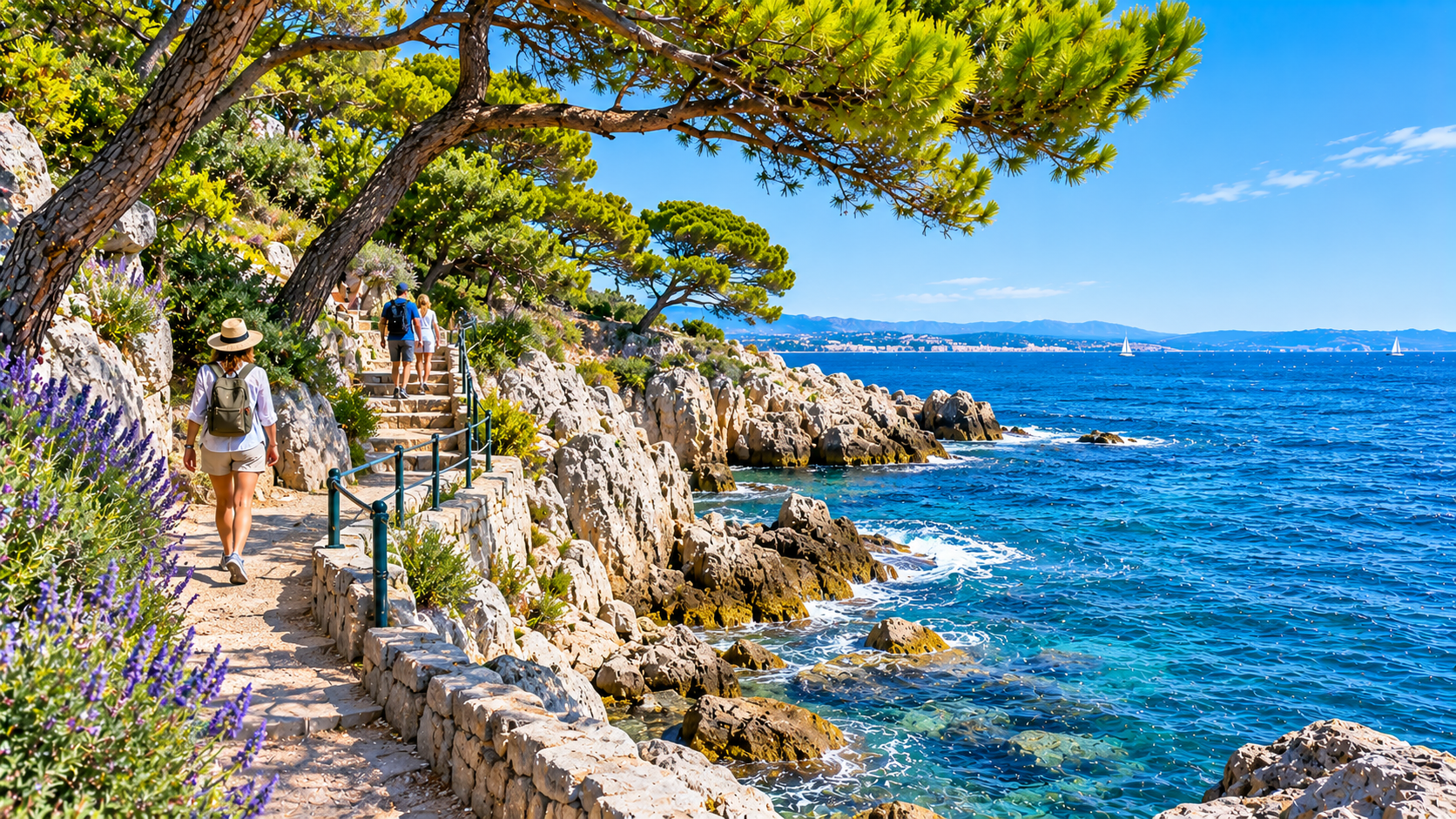
walk
walk
Sentier de Tirepoil
Rocky coastal walking context, not an easy urban promenade or a reconstruction of fictional scenes. Suitable shoes and water; skip when closed or unsafe.
Cap d'Antibes coastal path
Official route closes in bad weather. Recheck Garoupe works and current access; choose a suitable short section. No step-free guarantee or invented precise obstacle count.
Source checked:
12. What to read before travelling
The opening chapters of Tender Is the Night
These introduce Rosemary, the beach and the Divers' social world. They're particularly rewarding when read beside the Mediterranean. Notice how Fitzgerald constructs the group's appeal. Consider how the newcomer interprets the people she hopes to know.
Biographical accounts of Gerald and Sara Murphy
The Murphys provide one of the clearest historical connections between the book and Cap d'Antibes. The Beinecke Rare Book & Manuscript Library at Yale holds correspondence and photographs documenting their lives and friendships. These materials help distinguish the real family from Fitzgerald's fictional characters.
Fitzgerald's letters
His correspondence offers insight into the development of the novel and his relationship with the expatriate world. It is particularly valuable for understanding the author's mixed feelings about the glamour he helped make famous.
Zelda Fitzgerald's Save Me the Waltz
Published in 1932, Zelda's novel provides another literary perspective on the experience of marriage, artistic ambition and personal identity. It isn't a documentary correction to Tender Is the Night. It is a separate work of fiction written by an artist with her own voice and experiences. Read together, the two novels raise interesting questions about how shared lives can produce very different stories.
13. Three books about the Riviera's complicated glamour
If you enjoy Tender Is the Night, the following books make interesting companions. Not all have a published AzurMenton guide yet; The Houses That Remember already does.
Bonjour Tristesse, Françoise Sagan
A summer villa, a carefree household and the emotional consequences of trying to control other people's lives. Sagan's novel belongs to a different generation, but it shares Fitzgerald's interest in the limits of pleasure.
The Long Afternoon, Giles Waterfield
A fictionalised account inspired by the author's family history in Menton. It explores the British expatriate world and the illusion that a beautiful home can remain untouched by history.
The Houses That Remember, Anton Biletskyi-Volokh
Eight nonfiction stories about real historic homes, gardens and the people whose lives shaped them. An appropriate choice for readers who want to move from fictional Riviera villas towards documented architectural and personal history. These books should not be treated as accounts of the same people or locations. They explore related questions from different periods and literary traditions.
Frequently asked questions
Is Tender Is the Night set in Menton?
No. Its principal Riviera setting is associated with the area around Cap d'Antibes and Cannes. Menton is a convenient base for a literary excursion, not a documented central setting of the novel.
Did F. Scott Fitzgerald live on the French Riviera?
Yes. He and Zelda lived and travelled in the region during the 1920s, including at Villa Saint-Louis in Juan-les-Pins in 1926.
Is Villa Saint-Louis still there?
The historic property became Hôtel Belles Rives, which continues operating in Juan-les-Pins.
Who inspired Dick and Nicole Diver?
Gerald and Sara Murphy contributed important elements of the couple's social elegance and hospitality, while other character traits and conflicts drew on the Fitzgeralds' experiences and further fictional invention.
Is Villa Diana a real villa?
Villa Diana is fictional. Its world draws partly on the Murphys' Villa America and the social culture of Cap d'Antibes.
Is Gausse's Hôtel des Étrangers a real hotel?
It is fictional, although frequently associated with the real luxury hotel environment of Cap d'Antibes, particularly Hôtel du Cap-Eden-Roc.
Can you visit Villa America?
It should not be treated as a regularly open public museum. The surrounding public coastline offers a more dependable way to understand the landscape.
Can you visit Hôtel Belles Rives?
It's an operating luxury hotel. Public access to its restaurants and bar depends on current policies and reservations; its private beach is not freely open to everyone.
Can you reach Juan-les-Pins from Menton without a car?
Yes, using regional trains and appropriate local transport. Check actual connections and the return journey for your date.
Is Tender Is the Night autobiographical?
It draws heavily on people and experiences Fitzgerald knew, but it is fiction, not a reliable biography of the Fitzgeralds or the Murphys.
Is this guide spoiler-free?
It discusses the novel's premise, historical inspiration and principal themes without revealing its ending.
Final thoughts: the Riviera beyond the glamour
The French Riviera in Tender Is the Night is dazzling. Its beaches are beautiful. Its villas seem extraordinary. Its visitors possess the sort of wealth and freedom that can make ordinary life appear almost unnecessary. But Fitzgerald knew that beautiful surroundings weren't enough. The world of Dick and Nicole Diver depends on charm, money, social performance and relationships that become increasingly difficult to sustain. Behind the parties and the Mediterranean views lies a novel about the limits of ambition and the fragility of identity.
For travellers staying in Menton, the most rewarding way to explore that world is to visit Juan-les-Pins and Cap d'Antibes. See the coast where the Fitzgeralds lived. Discover the hotel that was once their seaside villa. Explore the beach culture shaped by the Murphys and their friends. Then return to the novel. The landscape may look much as you imagined. The people are another matter.
Sources and further reading
Tender Is the Night, Pan Macmillan
Fitzgerald Chronology, University of South Carolina
Tender Is the Night: F. Scott Fitzgerald on the French Riviera, Yale Beinecke Library
American Riviera: Style and Expatriation in Tender Is the Night, Cambridge University Press
Hôtel Belles Rives: History and Identity
Antibes Tourist Office: Juan-les-Pins, Lust for Life
Antibes Tourist Office: Beaches and Current Access
Hôtel du Cap-Eden-Roc: Season and Access
AzurMenton: Explore More Guides
Literary, historical and access sources checked on 2 November 2026. The Cambridge chapter is retained as further reading; its full text was not accessed during this check. The route distinguishes actual Fitzgerald residences, historical inspirations and fictional settings. Villa Diana and Gausse's Hôtel des Étrangers are not presented as public historical addresses. Access to private hotels, residences and sections of the coastal path should be checked before visiting.