Menton to Monaco
Often one of the simplest options, especially during busy event periods.
Useful links
Menton to Nice
Good for museums, events, Jazz Fest, Carnival and airport access planning.
Useful links
Menton to Ventimiglia / Italy
A practical choice for markets, Italian food and a short cross-border trip.
Useful links
Reading a cultural landscape
Think of the French Riviera.
What comes to mind?
The blue Mediterranean. Palm trees. Elegant hotels. Yachts in Monaco. The Cannes Film Festival. Artists working in sunlit studios. Writers spending afternoons in cafés overlooking the sea.
It's a remarkably powerful image.
Few stretches of coastline have become so closely associated with a particular way of life.
But that image didn't emerge naturally from the landscape.
It was created, gradually, by visitors, residents, artists, architects, writers, filmmakers and the people who built the region's tourist economy.
And before that familiar world existed, there was another Riviera.
Roman roads and imperial monuments. Medieval conflicts. Changing political borders. Religious communities. Working ports, hilltop villages and ordinary towns where most people were not particularly interested in becoming glamorous.
This is the wider story explored in The French Riviera: A Cultural History by Julian Hale.
First published in 2009, the book examines how a rugged Mediterranean coast developed into an internationally recognised cultural landscape.
Its subject isn't simply what happened here.
It's how the Riviera acquired its distinctive identity, who helped shape that identity and what lies beyond the familiar tourist image.
For visitors staying in Menton, the book is a particularly interesting companion.
The publisher biography describes Hale as a writer and broadcaster dividing his time between London and Menton; this is a biographical description, not independently verified current residence. The eastern Riviera features prominently in the published outline.
This guide introduces the book, follows its major cultural themes and suggests real places where you can explore them.
It isn't a chapter-by-chapter substitute for Hale's work.
Instead, it's an invitation to read the coast more closely.
Practical update, 4 November 2026: Val Rahmeh is closed through 27 November, with reopening announced for 28 November. Serre de la Madone announces its annual November–December closure. Carnolès museum remains closed and the last checked municipal notice limits the garden to weekends. The published E-1027 visiting season ended on 31 October; no later programme is confirmed here. These cultural stops are alternatives for different dates, not a promise that every attraction is open today.
1. Discover the book
Title: The French Riviera: A Cultural History
Author: Julian Hale
First publication: 2009
Original publisher: Signal Books / Oxford University Press editions
Series: Landscapes of the Imagination
Original edition: 234 numbered pages, plus preliminary material
Language: English
Genre: Cultural history / Regional history / Travel literature
Later edition: Andrews UK Limited, 2026
The book belongs to the Landscapes of the Imagination series, which explores places through their history, cultural associations and representation in literature and art.
Hale was a writer and broadcaster with personal experience of the Riviera.
His approach combines historical material with observations about architecture, landscape, social life and the individuals who contributed to the region's reputation.
Rather than restricting himself to the history of tourism, he explores several overlapping cultural worlds.
What does the book cover?
Its eleven main chapters move between historical and thematic subjects.
They include Roman civilisation, warfare, Monaco's dynasty, British winter visitors, Russian residents, American expatriates, French writers, painting, music, cinema, architecture, gardens and the hilltop settlements behind the coast.
This makes the book particularly useful for visitors who want to understand how different parts of the Riviera fit together.
A Roman monument above Monaco.
A British winter villa in Menton.
An artist's museum in Nice.
A garden filled with plants brought from other continents.
At first, these may seem like unrelated attractions.
Hale's cultural perspective helps reveal their connections.
Where to find the book
The French Riviera: A Cultural History — Google Books
Oxford University Press 2009 edition: Free Library catalogue
Bibliographic record, Bibliothèque nationale de France
ISBN, paperback: 9780195398748
Google Books also lists an Andrews UK Limited edition dated 24 March 2026, with 317 pages and ISBN 9780722364086. This is edition metadata, not evidence that the historical text was revised or visitor information updated. The 2009 edition has 234 numbered pages plus preliminary material. Check format, illustrations and maps with the seller before purchasing.
2. The Riviera is more than an image
The central idea of Hale's book is that the Riviera's cultural reputation conceals a much more complicated history.
The region's modern identity is associated with pleasure, wealth and artistic freedom.
But its earlier history involves conflict, political authority and the practical difficulties of living along a mountainous coastline.
Two ways to see the coast
The first is the familiar tourist perspective.
A visitor arrives, sees the sea, enjoys the climate and associates the region with a particular Mediterranean lifestyle.
The second asks how that lifestyle became possible.
Who built the hotels?
Why did wealthy foreigners choose to live here?
How did railway connections change the towns?
Why did artists arrive?
What happened to the communities that already inhabited the coast?
And how did the image of the Riviera develop through books, painting, photography and cinema?
Hale's account encourages readers to move between these two perspectives.
Try it in Menton
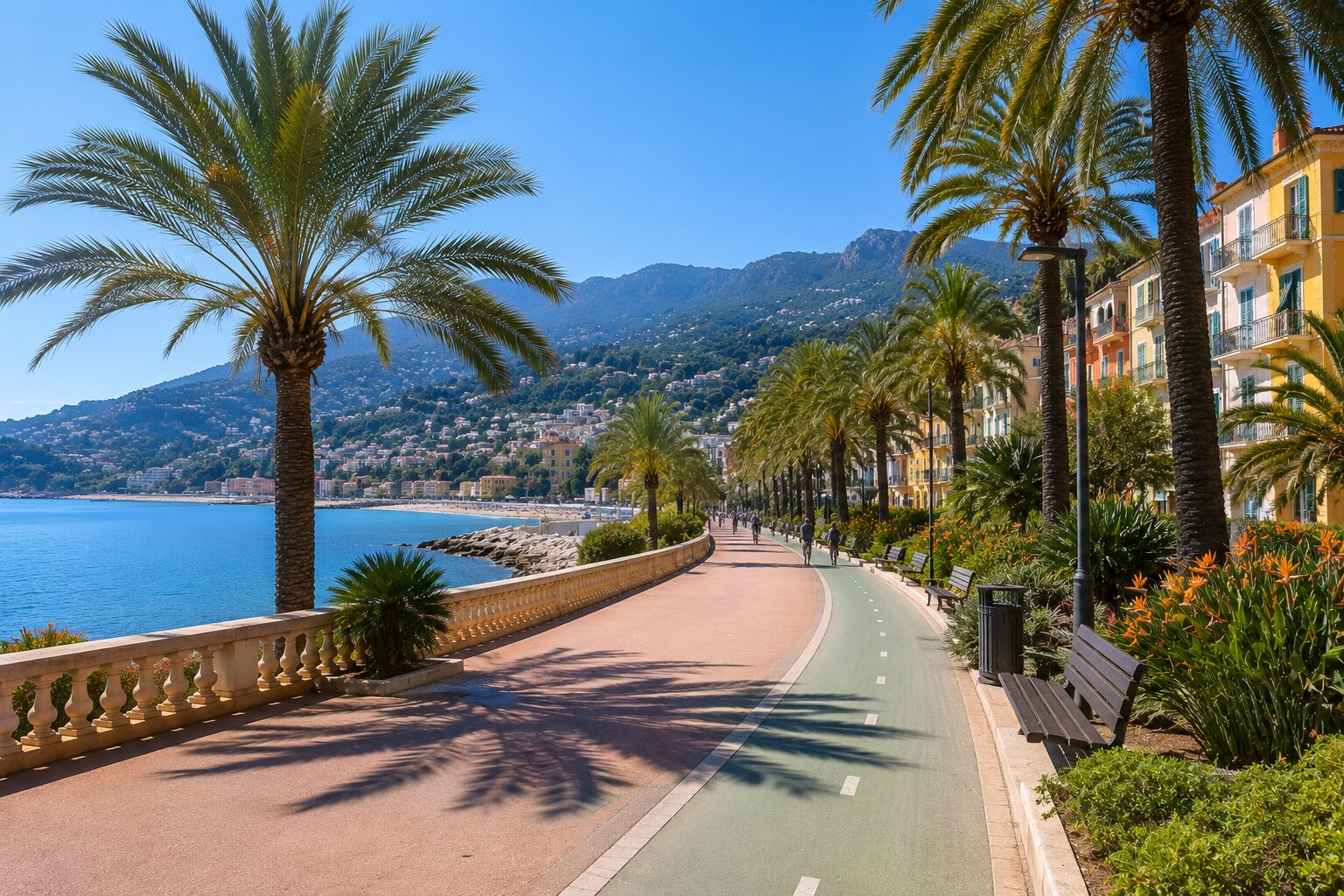
Walk along Promenade du Soleil.
Look at the Mediterranean and the elegant façades beside it.
Then turn towards the older streets.
Within a short distance, you can move between the modern resort and the historic town that existed before international tourism transformed its economy.
The geography is compact.
The cultural history is not.
walk
walk
Promenade du Soleil
The simplest Menton ritual: morning light, sea air and an evening return by the water.
Menton seafront
Outdoor alternative from Palais de l'Europe, instead of the Wedding Hall: east Biovès entrance, Avenue Carnot, Square des États-Unis, Avenue Édouard VII, seafront. The tourist office describes its walk as level; this does not certify other connections.
Source checked:
3. The Roman Riviera: before France, Monaco and Italy
Book connection: Via Aurelia: The Roman Riviera
One of Hale's early chapters examines the region's place within the Roman world.
Today, visitors cross the boundaries between France, Monaco and Italy with relative ease.
But those borders did not exist in Roman times.
The coast belonged to an extensive system of Mediterranean movement, administration and trade.
The Trophy of Augustus
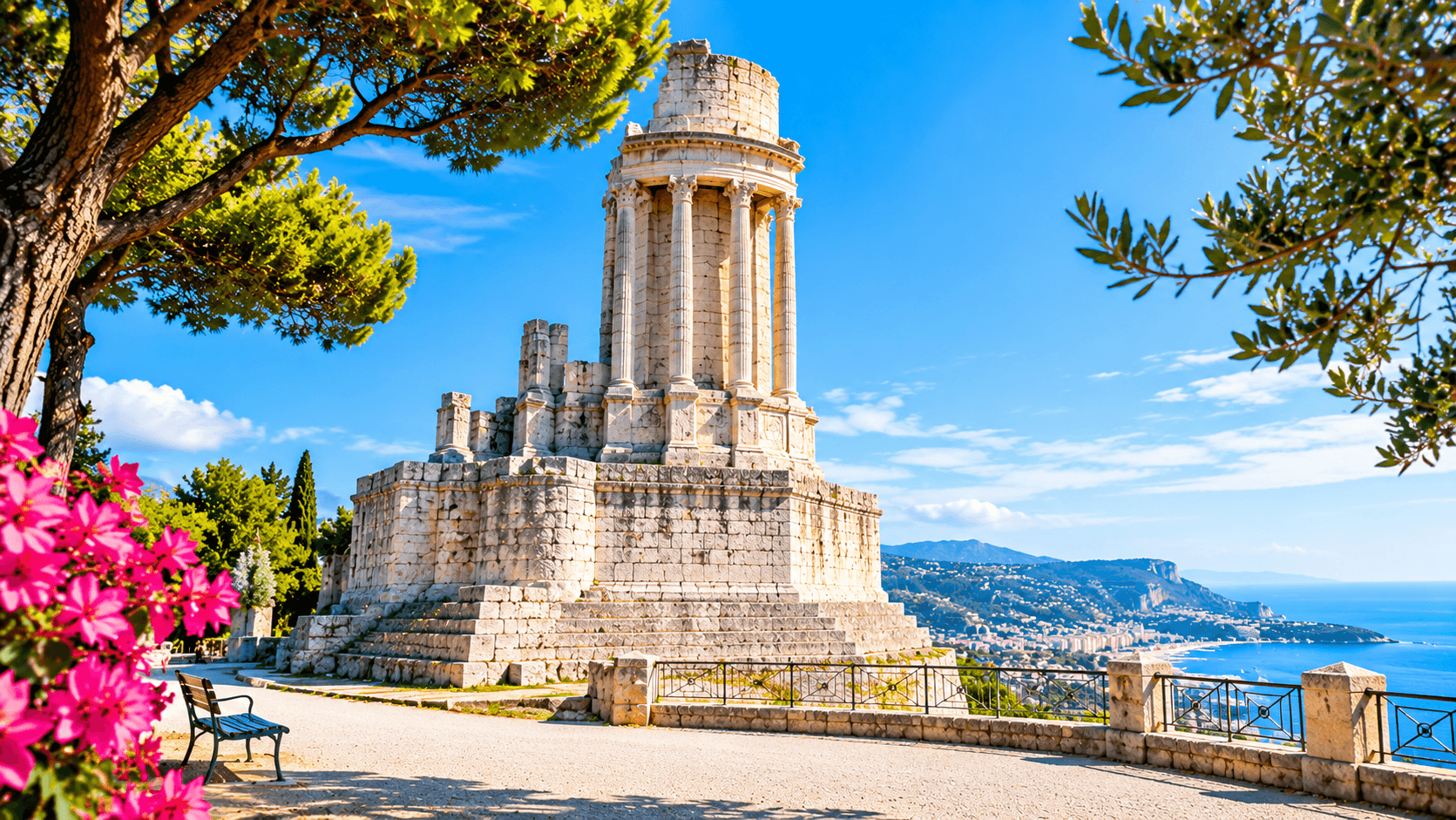
One of the most impressive surviving reminders stands at La Turbie, high above Monaco.
The Trophée d'Auguste, also called the Trophy of the Alps, commemorates Rome's conquest of Alpine peoples during the reign of Augustus.
Its imposing remains dominate the surrounding landscape.
The monument illustrates something important about Roman infrastructure.
The coast was not merely beautiful.
It was strategically significant.
Movement between Italy, Gaul and the western Mediterranean depended on routes through challenging terrain.
Visit: Trophée d'Auguste, La Turbie
This is an ancient monument with surviving Roman remains and later restoration; the standing structure should not be mistaken for an untouched Roman building.
The site includes surviving Roman masonry, interpretation and panoramic views.
Published adult admission: €7.
In the autumn and winter season, the operator normally lists opening from 10 a.m. to 1 p.m. and 2 p.m. to 5 p.m., excluding Mondays and specified public holidays.
The official calendar also lists closure on 11 November, relevant to an autumn trip. Last admission is 30 minutes before closing. Checked 4 November 2026; reconfirm for your date.
Public transport from Menton requires planning, particularly for the return.
Trophée d’Auguste: official visitor information
A question to take with you
Before the Riviera became a place to escape from the world, how did its geography make it important to the people trying to control that world?
museum
museum
Trophée d'Auguste
Roman remains with later restoration, museum and park above Monaco. Checked 4 November 2026: last admission 30 minutes before closing. Plan return transport separately; no verified step-free route or precise map marker.
Cours Albert 1er, 06320 La Turbie
Closed 11 November; last admission 30 minutes before closing
Source checked:
4. Monaco and the Grimaldis: a different kind of Riviera identity
Book connection: A Dynastic Record: Monaco and the Grimaldis
The Principality of Monaco has one of the most recognisable political identities in Europe.
Its public image combines monarchy, luxury, casinos and international celebrity.
But that identity developed over centuries.
The Grimaldi dynasty, the territory's changing political relationships and the eventual growth of Monte Carlo all contributed to Monaco's distinctive position.
Monaco isn't simply another French resort
Its sovereignty matters.
The principality's institutions, history and international identity developed differently from those of neighbouring French towns.
This becomes particularly interesting when travelling from Menton.
For centuries, Menton was associated with the territory ruled by the Grimaldis.
Its final incorporation into France came in 1861.
Modern visitors often experience Menton and Monaco as neighbouring tourist destinations.
Their historical relationship is considerably more complicated.
Visit: Monaco-Ville
Explore the publicly accessible streets of the old town and the area around the Prince's Palace.
The palace surroundings offer a useful introduction to Monaco's political history.
Then consider making a separate visit to Monte Carlo.
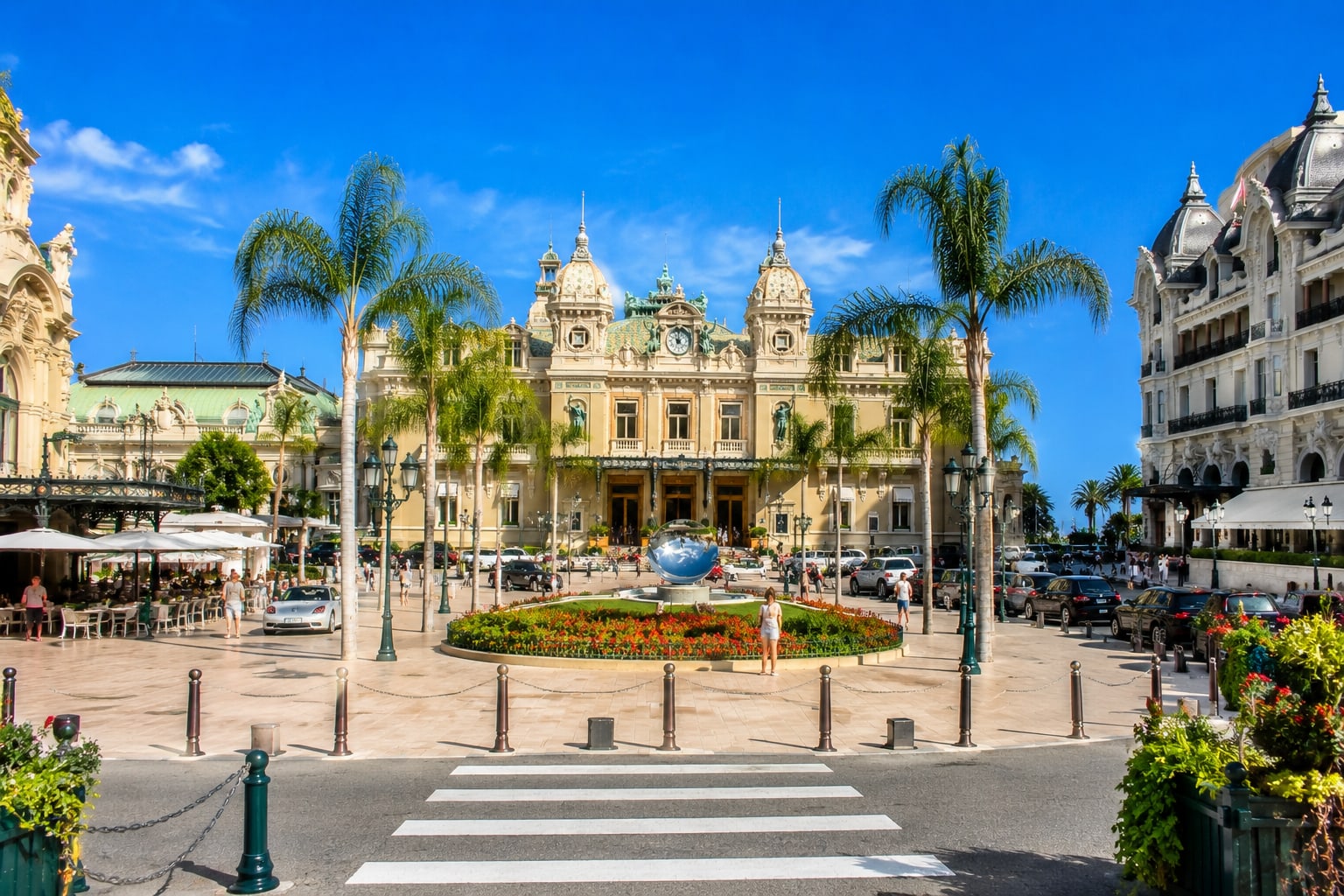
The contrast between Monaco-Ville and Casino Square helps illustrate how dynastic identity and the modern luxury economy became connected.
A question to take with you
How does a small sovereign state become one of the world's most recognisable symbols of wealth and glamour?
neighbourhood
neighbourhood
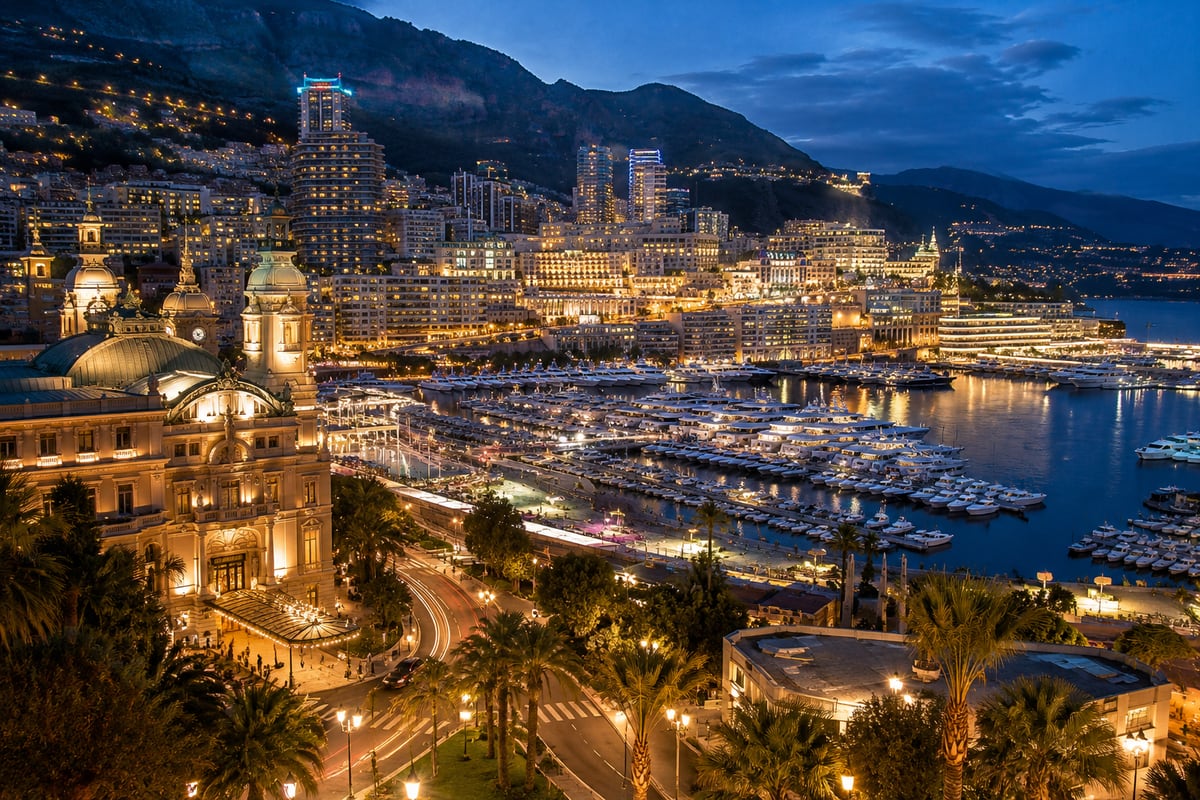
Monaco and Monte-Carlo
A close autumn day or evening trip from Menton for harbour views, concerts, casino architecture and Riviera events.
Monaco
viewpoint
viewpoint
Casino Square Monaco
The public square around Monaco's casino, hotels and evening terraces.
Monte-Carlo
5. The British Riviera: climate, class and the invention of winter tourism
Book connection: Snobs, Consumptives, and Penpushers: The British
Before the Riviera became famous for summer beaches, it attracted international winter visitors.
British travellers played a particularly significant role.
Some came because they believed the Mediterranean climate might improve their health.
Others were wealthy enough to escape northern winters.
Writers, aristocrats, retired officials and families spending long periods abroad helped create an international resort culture.
Menton's transformation
The arrival of winter visitors encouraged investment in hotels, villas, gardens and leisure facilities.
These buildings changed the appearance of the town.
They also changed the local economy.
The impressive architecture visitors admire today is therefore part of a much larger history of international travel and social privilege.
Visit: Menton's Belle Époque district
Walk between the waterfront and the former grand hotels.
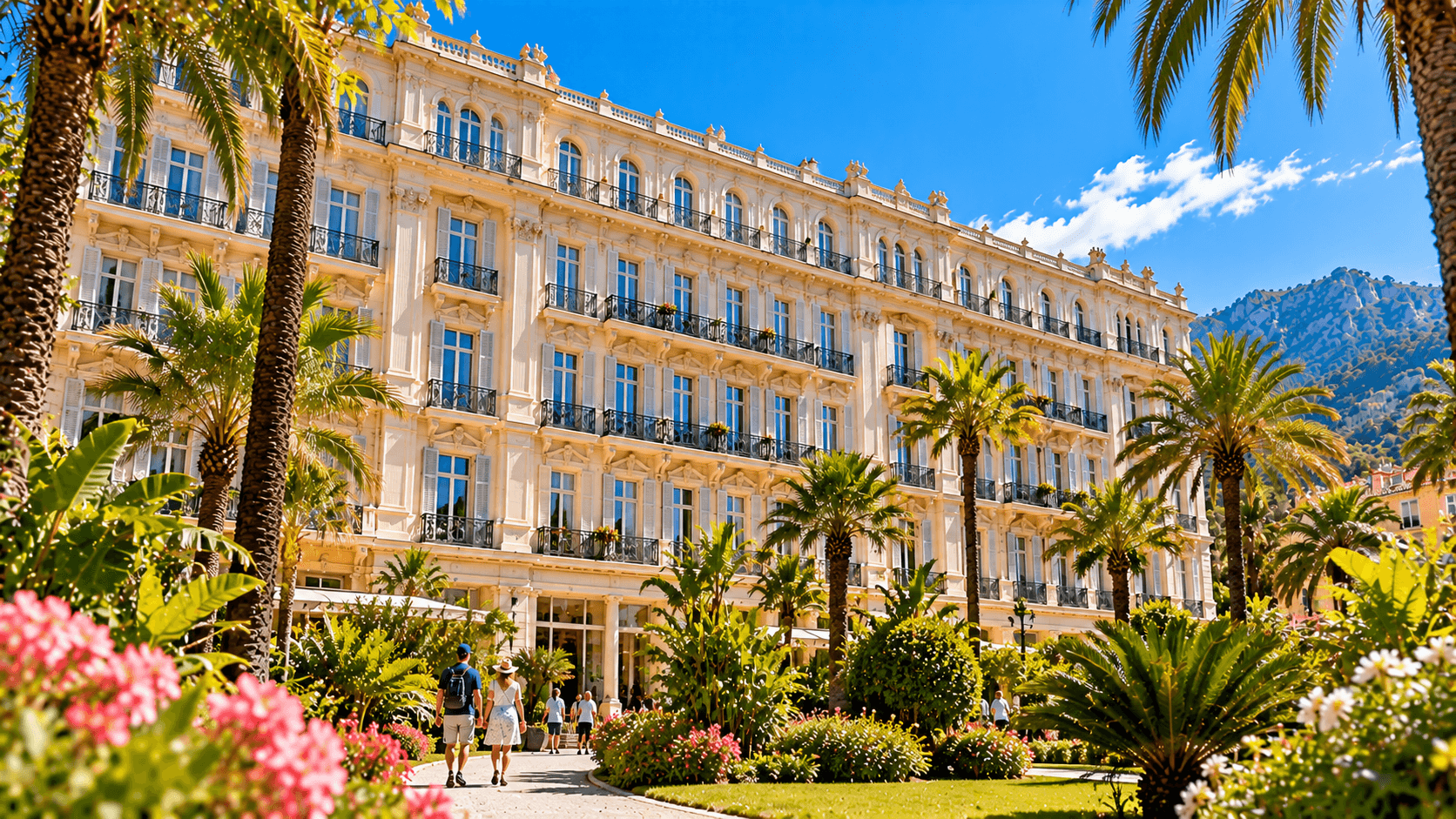
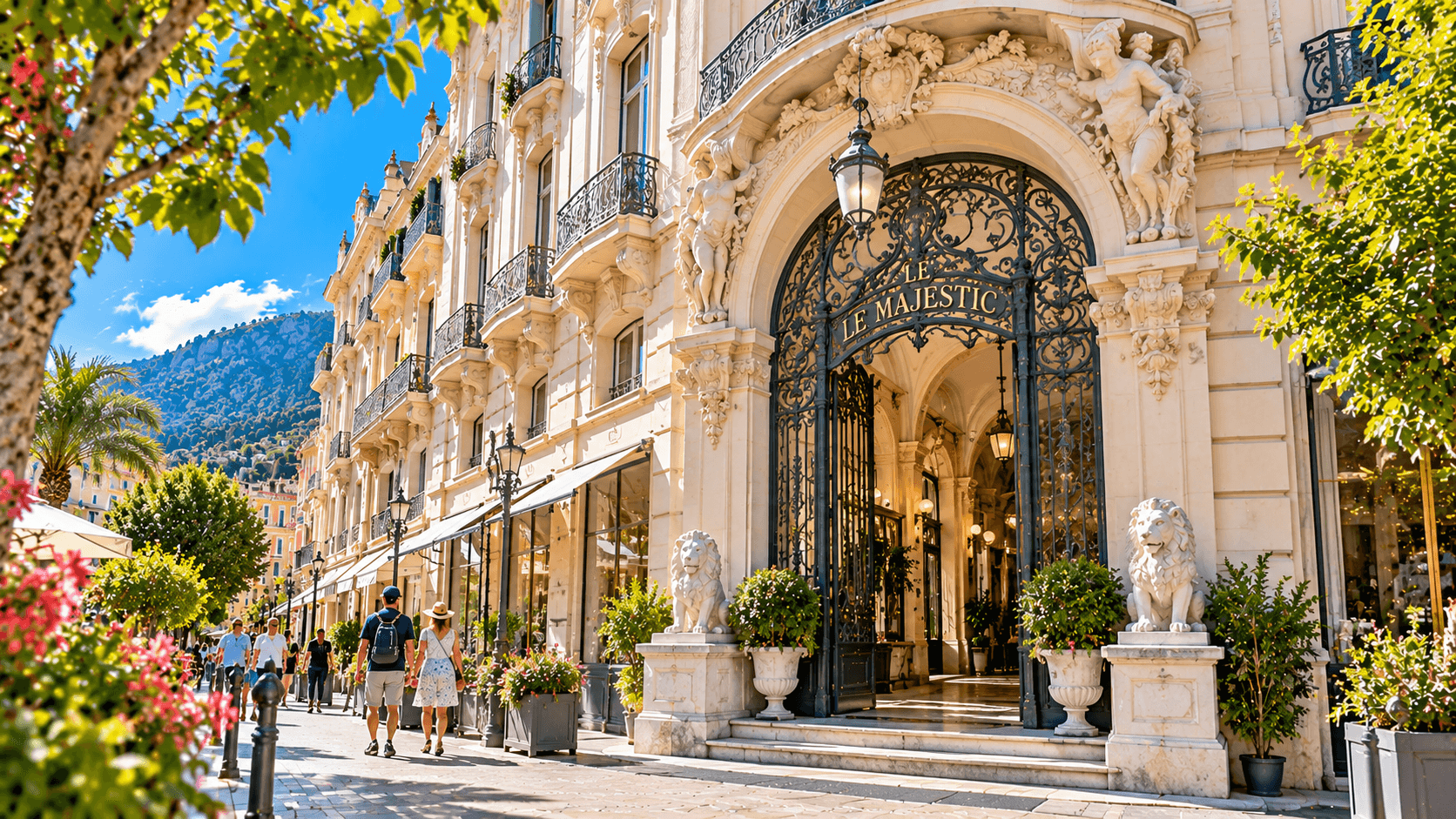
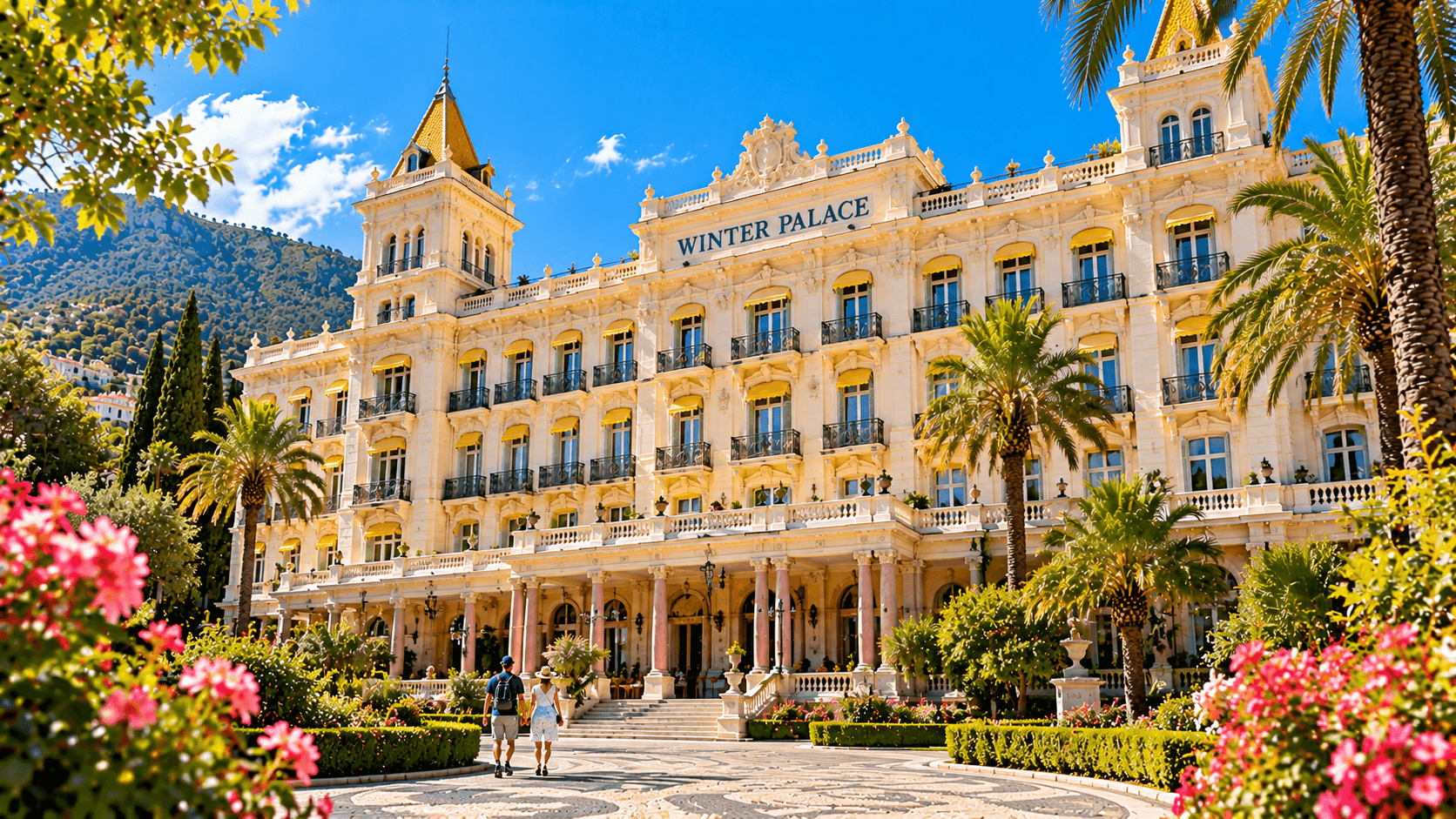
Royal Westminster, Le Majestic and the Winter Palace provide useful examples of the resort architecture associated with international winter life.
Some remain hotels.
Others have become private residential buildings.
Their historical importance doesn't mean their interiors are open to independent visitors.
A more interesting question than “Which hotel is the prettiest?”
What kind of daily life were these buildings designed to support?
Long seasonal stays required lounges, dining rooms, staff, gardens and social spaces.
They were part of an international community rather than simply accommodation for a brief holiday.
The luxury of the guest depended on the labour of many other people.
civic
civic
Royal Westminster
Historic seafront hotel still operating. Interior, garden and restaurant access follows the hotel's customer policies.
28 Avenue Félix Faure, 06500 Menton
civic
civic
Le Majestic
Former palace hotel, now a private property. Admire the façade from the public street only.
1 Rue Partouneaux, 06500 Menton
civic
civic
Winter Palace
Former palace hotel converted into private apartments. Uphill exterior stop; interiors and gardens require permission.
20B Avenue Riviera, 06500 Menton
6. Russians, Americans and the international Riviera
Book connections: Roubles and Roulette: The Russians and An Azure Dream: The Americans
The Riviera's identity was shaped by successive waves of foreign visitors.
But each community brought different motivations and cultural traditions.
Russian visitors
Russian aristocrats and wealthy travellers became important participants in Riviera society during the nineteenth and early twentieth centuries.
Their presence contributed to religious, architectural and social life, particularly around Nice.
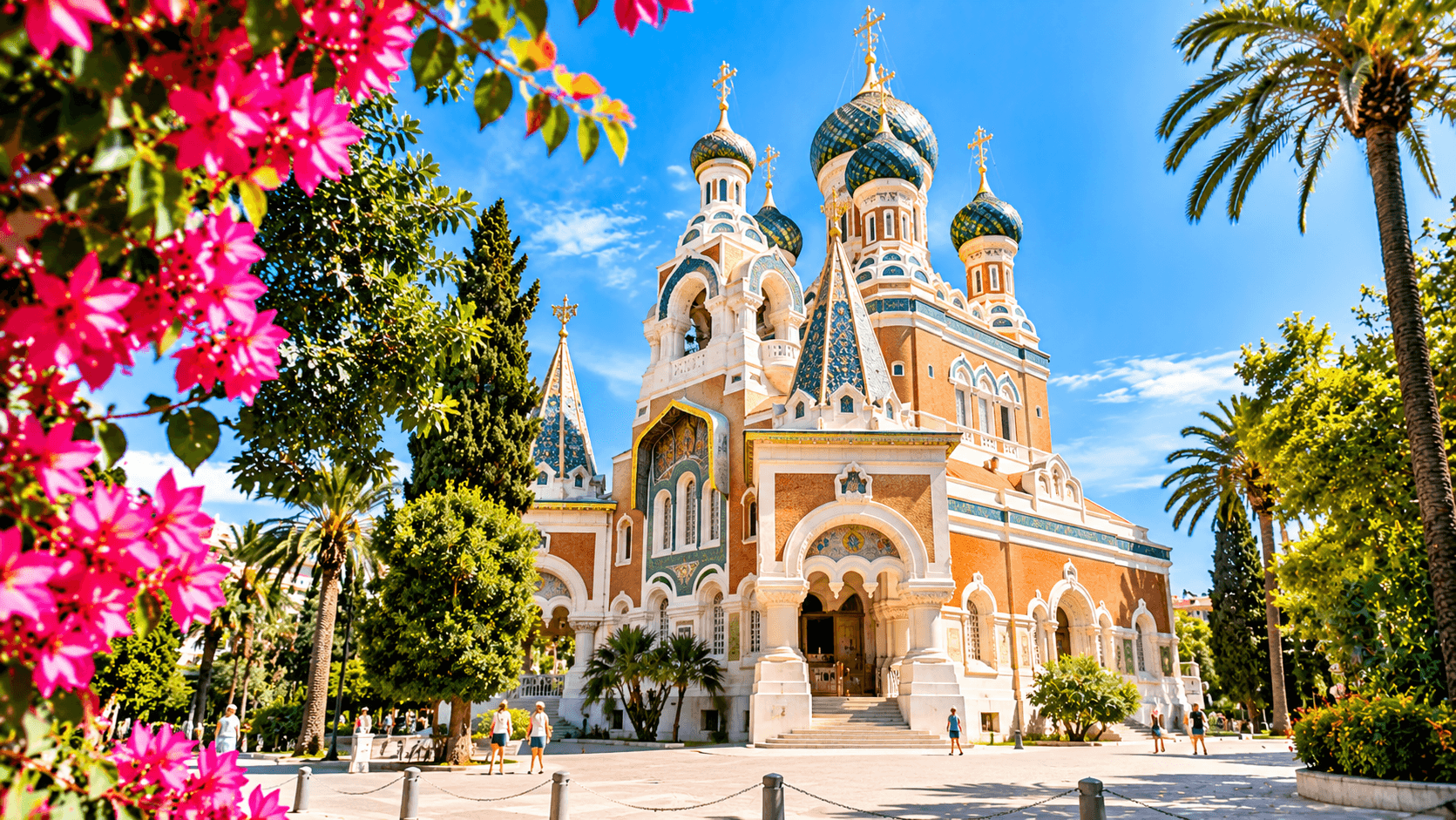
The Russian Orthodox Cathedral of Saint Nicholas offers a particularly visible reminder.
Visit: Russian Orthodox Cathedral, Nice
The cathedral's architecture stands apart from the more familiar Italianate and baroque buildings of the coast.
Its domes and decorative details reveal the presence of an international religious community.
The cathedral remains an active place of worship.
Respect services and the posted visitor and photography rules. The operator’s October 2026 schedule closes the cathedral to tourists on Sundays from 9 a.m. to noon, during weekday services and during sacraments. General opening hours are not permission to enter during worship. Use the operator’s website rather than uncorrected Google hours.
American visitors
The American influence became especially visible during the 1920s.
Writers, artists and wealthy expatriates helped popularise a different Riviera lifestyle.
The emphasis shifted increasingly towards summer, beaches, swimming and informal social gatherings.
F. Scott Fitzgerald, Zelda Fitzgerald and Gerald and Sara Murphy became particularly influential figures in the mythology of the Jazz Age coast.
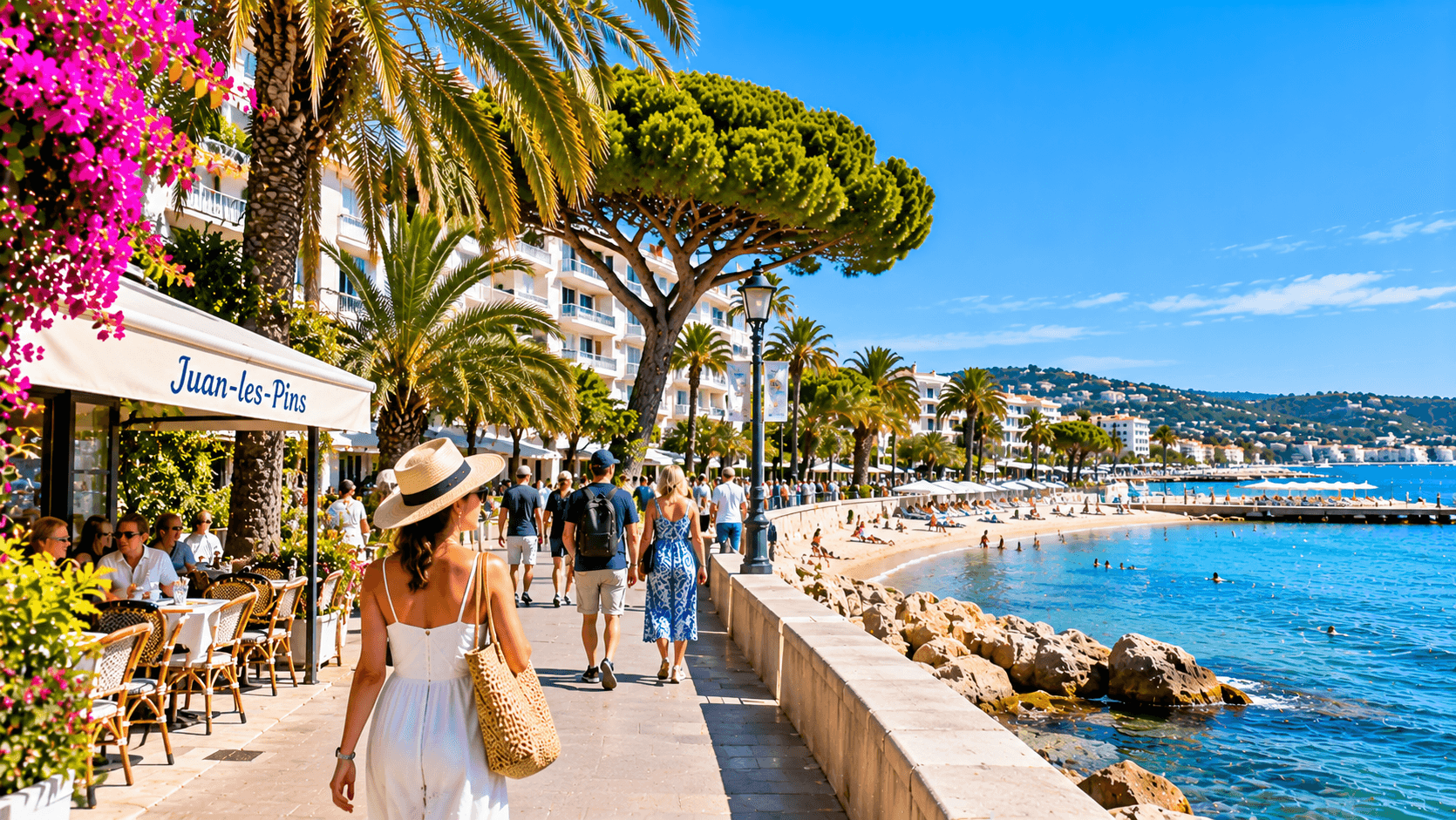
Visit: Juan-les-Pins
Explore the public beaches and waterfront.
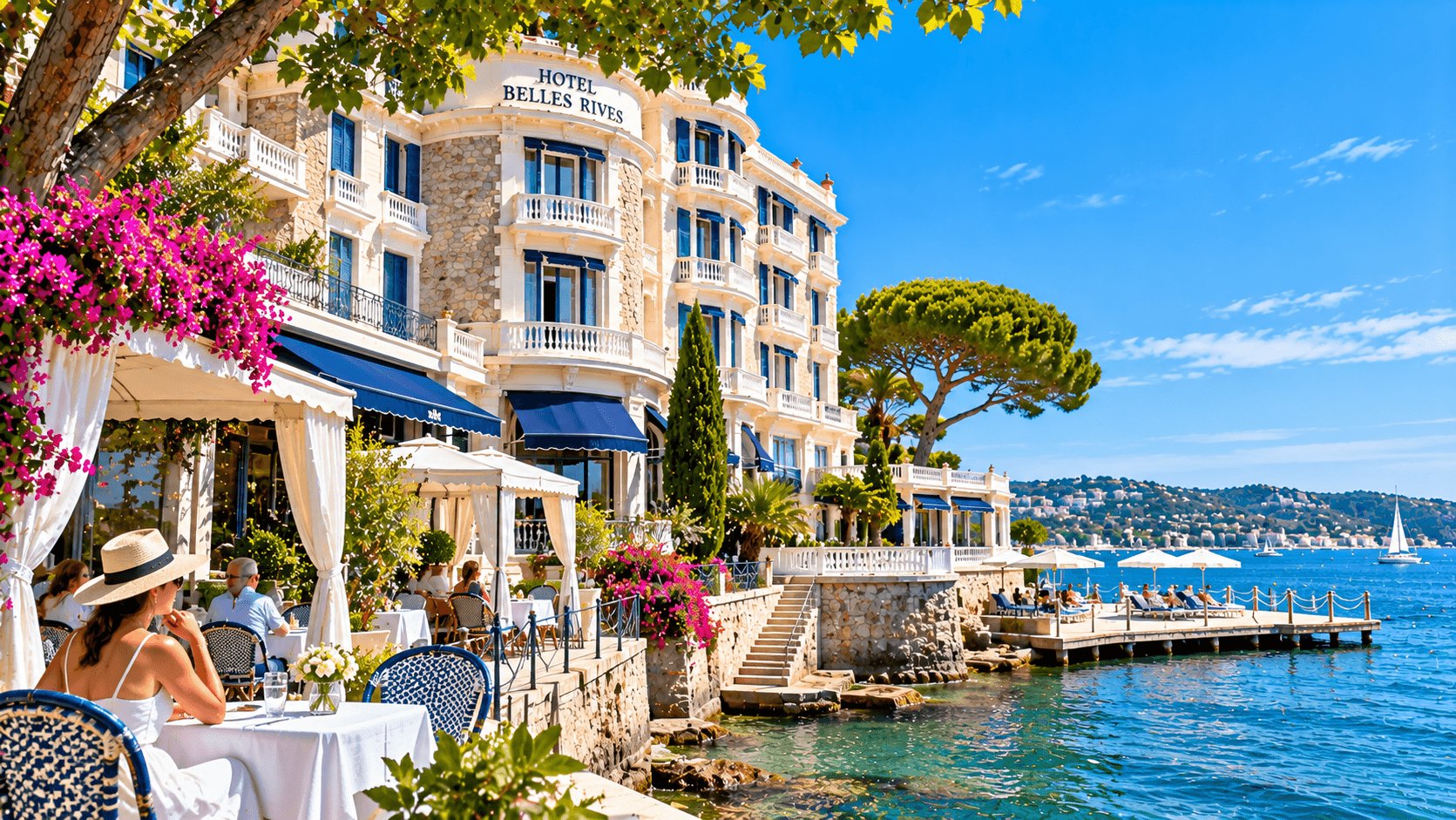
The former Villa Saint-Louis, now Hôtel Belles Rives, has a documented connection with Scott and Zelda Fitzgerald.
It's an operating hotel, not a public literary museum.
The surrounding waterfront provides enough context for a rewarding visit without requiring access to private hotel spaces.
What makes the comparison interesting?
The Riviera didn't acquire one international identity.
Different communities helped create overlapping ideas of what the region should offer.
A place of recovery.
A place of aristocratic society.
A place of artistic experiment.
A place of leisure.
And, eventually, a globally recognisable luxury destination.
museum
museum
Cathédrale Saint-Nicolas de Nice
Active Orthodox place of worship with visitor arrangements, not an unrestricted museum. Checked 4 November 2026: operator's October schedule overrides unreliable Google hours. Group and historic chapel visits require arrangements; respect posted rules. No step-free assessment.
Avenue Nicolas II, 06000 Nice
No tourist visits Sunday 9–12 or during services and sacraments
Source checked:
viewpoint
viewpoint
Hôtel Belles Rives / Villa Saint-Louis
The Fitzgeralds' documented 1926 Villa Saint-Louis, now a private hotel. View the context from authorised public areas; confirm bar or restaurant reservations. Beach and pontoon are not unrestricted public facilities.
33 Boulevard Edouard Baudoin, 06160 Juan-les-Pins
walk
walk
Juan-les-Pins public seafront
Public waterfront context for the resort's 1920s summer culture. Choose public sections; private beach concessions and hotel facilities have separate access rules. Not a claim that each fictional beach scene has been located.
Front de mer, Juan-les-Pins, Antibes
7. The French Riviera beyond foreign visitors
Book connection: Natives and Neighbours: The French
A cultural history dominated entirely by foreign celebrities would miss something essential.
The Riviera was already inhabited.
Its towns had their own languages, traditions, economies and social relationships.
French and regional writers contributed their own interpretations of the coast.
So did ordinary residents whose work supported the growing resort economy.
The darker literary Riviera
Hale's chapter considers a range of French literary voices, including Georges Simenon and Jean-Paul Sartre.
Their perspectives complicate the tourist image.
Simenon's Liberty Bar offers one possible fictional companion to this less glamorous Riviera.
The narrative contrasts wealthy resort life with less comfortable social environments.
It isn't simply an advertisement for Mediterranean beauty.
An interesting reading companion
If you're interested in this darker literary perspective, explore Liberty Bar alongside Hale's account.
The two books do different things.
Hale provides cultural context.
Simenon creates a fictional world through which the contrast becomes visible.
Visit: a working market in Menton
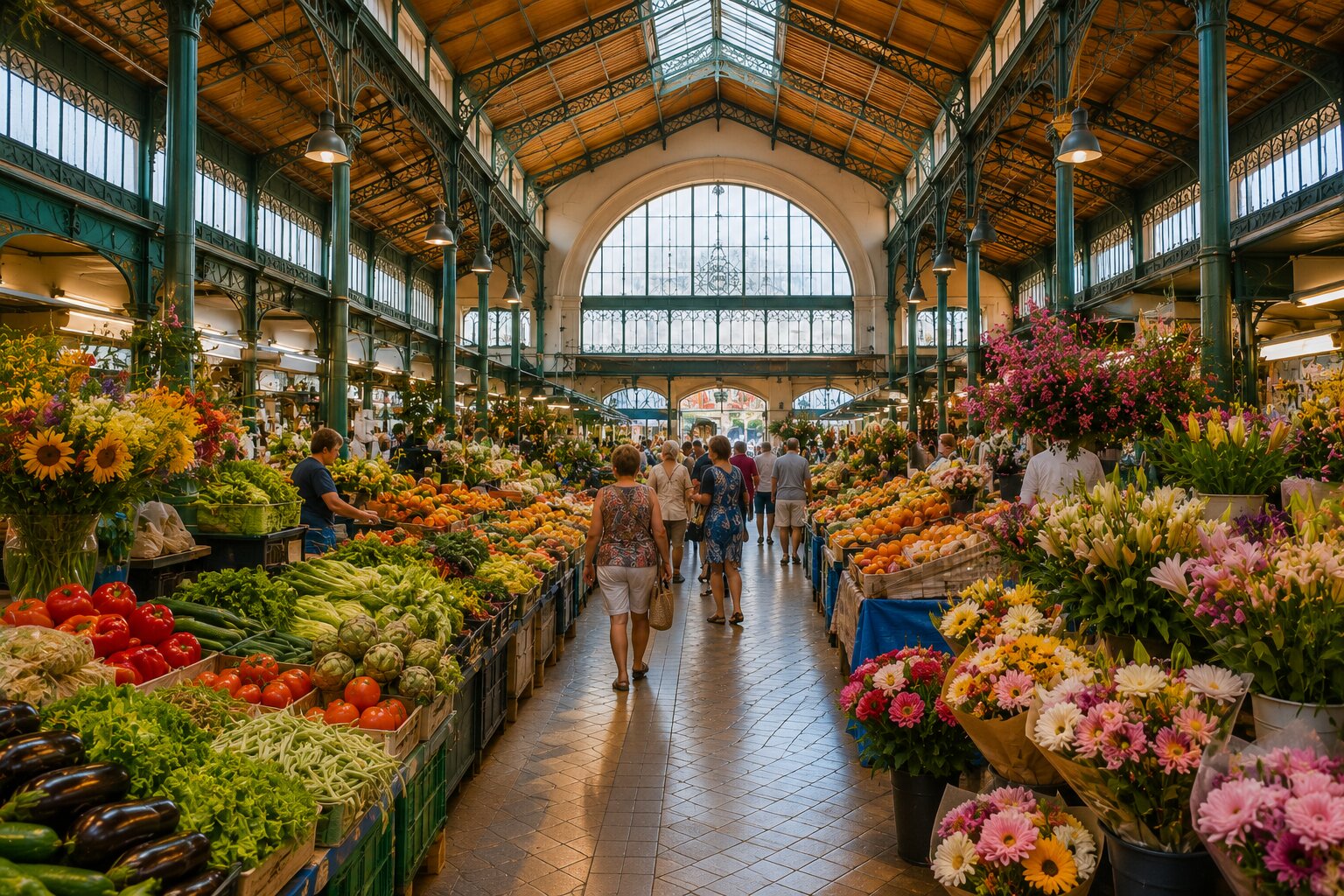
The covered Marché des Halles offers an opportunity to experience everyday food culture beyond the grand hotels.
The current market is not a reconstruction of an earlier historical period, but it remains a useful reminder that the Riviera is also a place where people shop, cook and work.
market
market
Halles du Marché
A natural first stop for picnic ingredients, citrus products and a morning look at local food life.
5 Quai de Monléon, 06500 Menton
Check current hours before visiting
The tourist office lists independent wheelchair access and free entry. This concerns the market building, not the surrounding streets or a published pushchair policy.
Source checked:
8. Art, music and cinema: the Riviera becomes a creative landscape
Book connection: Finding the Light: Art, Music, and Cinema on the Riviera
This is one of the most rewarding chapters for travellers.
The Mediterranean coast attracted generations of painters, writers, musicians and filmmakers.
Some came for the light.
Others found patrons, friends, affordable working conditions or artistic communities.
The region's association with creativity eventually became part of its international identity.
Painting and the Mediterranean light
Artists including Renoir, Matisse, Bonnard, Picasso and Chagall developed important connections with the wider Riviera.
Their work cannot be reduced to an attraction to sunshine alone.
But the region's colours, architecture and social environment formed part of the circumstances in which they worked.
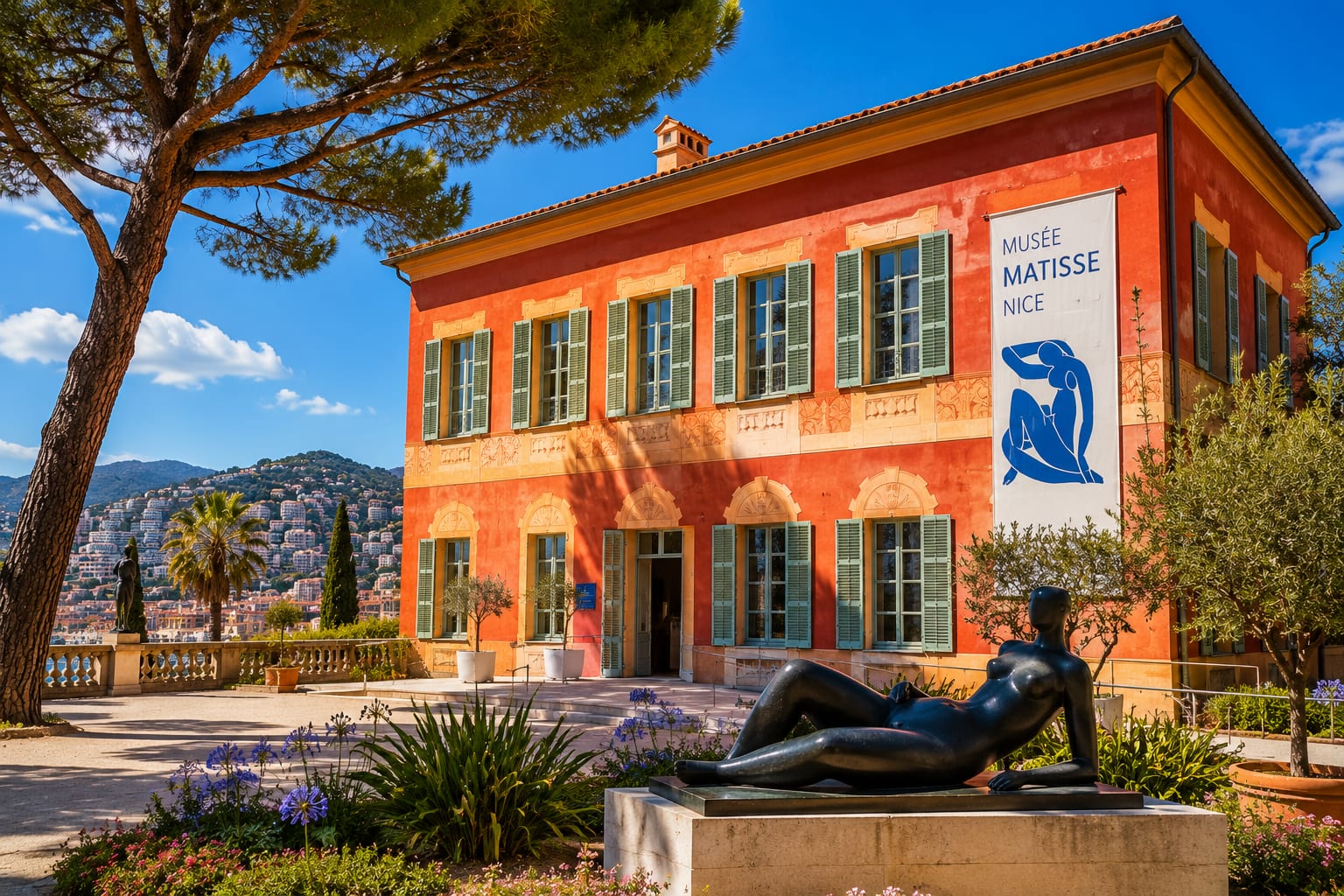
Visit: Musée Matisse, Nice
The museum in Cimiez provides an introduction to Matisse's long relationship with Nice.
Its collections and exhibitions explore the development of his art.
The building is separate from his former residential apartment at Le Régina.
Allow time for the museum itself rather than treating it as a quick photographic stop. The municipal winter schedule is 10 a.m.–5 p.m., closed Tuesdays and specified holidays; verify your date.
Jean Cocteau and Menton
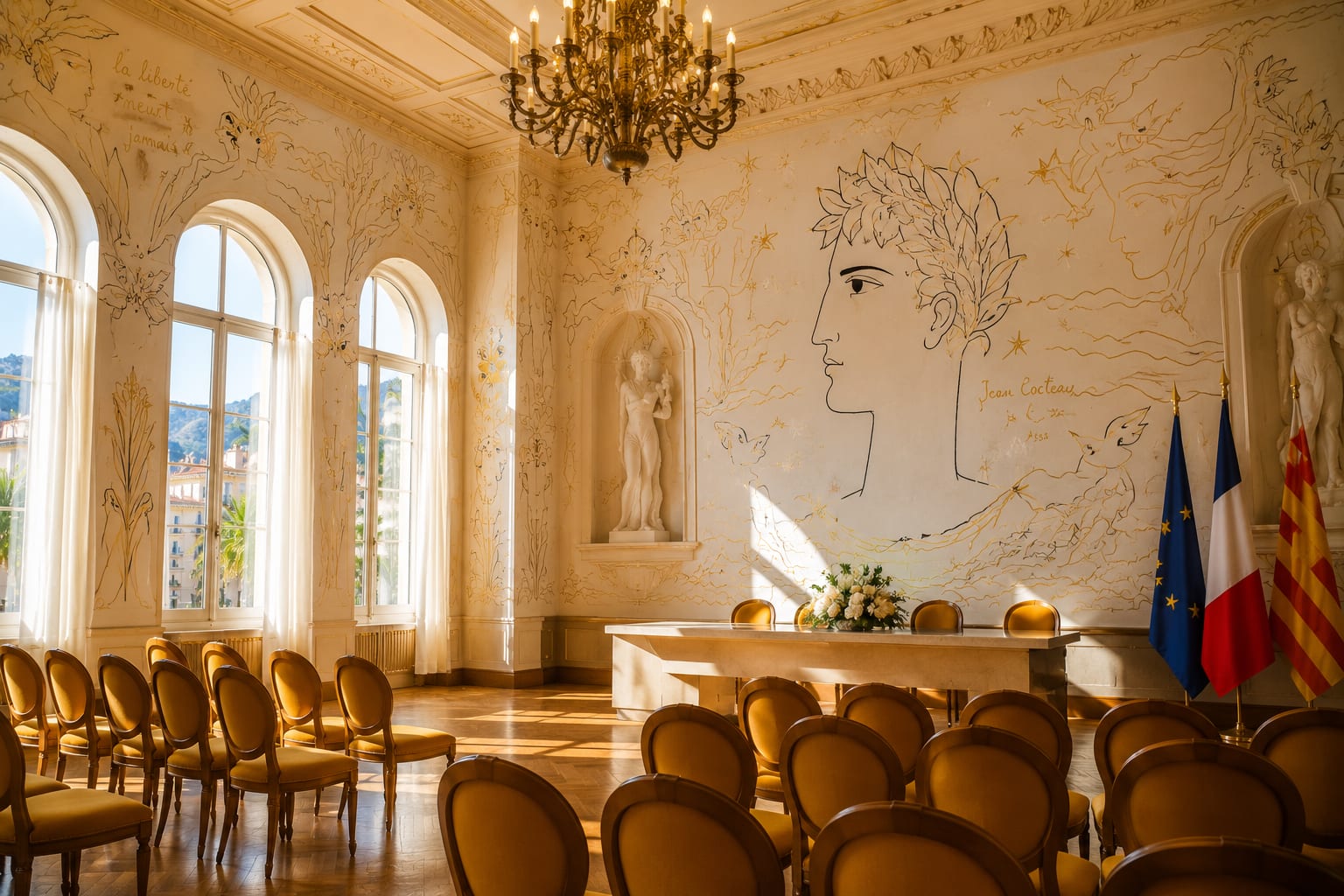
Menton has a particularly significant connection with Jean Cocteau.
He decorated the town's wedding hall and created designs associated with the Bastion.
His artistic presence demonstrates how individual creative projects can become part of a city's cultural identity.
Cinema and the Riviera
The Cannes Film Festival is only the most famous example.
The coast has also served as a film production landscape, sometimes representing itself and sometimes standing in for entirely different places.
Menton has appeared in productions including Grace of Monaco, Never Say Never Again and Agatha Christie's Poirot.
These examples reveal another way the Riviera's identity is created.
The real town becomes an image seen by audiences who may never visit it.
A question to take with you
When we recognise a place from a painting or film, are we responding to the real landscape or to an image that has already taught us how to see it?
museum
museum
Musée Matisse
A key Nice museum for Matisse, Mediterranean light and a calm Cimiez cultural day.
164 Avenue des Arènes de Cimiez, 06000 Nice
Check current hours before visiting
museum
museum
La Salle des Mariages Jean Cocteau
A Cocteau-decorated civic interior inside Menton's town hall, best treated as a short cultural stop.
Mairie de Menton, Place Ardoïno, 06500 Menton
Check current hours before visiting
The official guided-tour listing describes a lift and independent wheelchair access. Reserve that guided visit in advance; this does not confirm availability during ceremonies or pushchair access.
Source checked:For the guided visit, meet at town-hall reception, 17 Rue de la République. Ask reception which entrance serves the lift; the listing does not identify a specific step-free street doorway.
Source checked:
9. Architecture: how the Riviera built its image
Book connection: Building the Dream: Religious and Secular Architecture
The region's architecture tells the story of different ambitions.
Baroque churches.
Grand nineteenth-century hotels.
Private villas.
Casinos.
Modernist houses designed for new ways of living.
Each belongs to a different phase of the coast's development.
Menton's Basilica of Saint-Michel
The basilica offers a powerful example of the area's religious and political history.
Its baroque architecture belongs to a time when Menton was associated with Monaco.
The surrounding square and old-town streets preserve a very different atmosphere from the grand resort buildings along the waterfront.
Palais de Carnolès
The former princely residence of Monaco's ruling family provides another architectural connection.
Its history includes royal use, later transformations and its eventual conversion into a fine-arts museum.
Current restriction: the museum is closed for restoration. The municipal notice checked on 3 November 2026 limits the garden to weekends, 10 a.m.–noon and 2–6 p.m. The municipal page could not be retrieved again on 4 November, so reconfirm before travel; this is not a fresh confirmation of opening.
E-1027 and the modern villa
At Roquebrune-Cap-Martin, Eileen Gray's E-1027 represents a radically different approach to domestic architecture.
The house is associated with modernist design, practical experimentation and an attempt to integrate the building with the daily lives of its inhabitants.
The operator’s published 2026 guided-visit season ran from 1 April to 31 October. That season has ended; no later session is confirmed here. Reserve only an actually announced session. The site involves walking and steps and is not a guaranteed step-free outing.
What connects these buildings?
They were designed to meet different ideas of what life on the Riviera should be.
Religion and civic identity.
Royal prestige.
International luxury.
Modern comfort.
Artistic experimentation.
Architecture makes these changing ambitions visible.
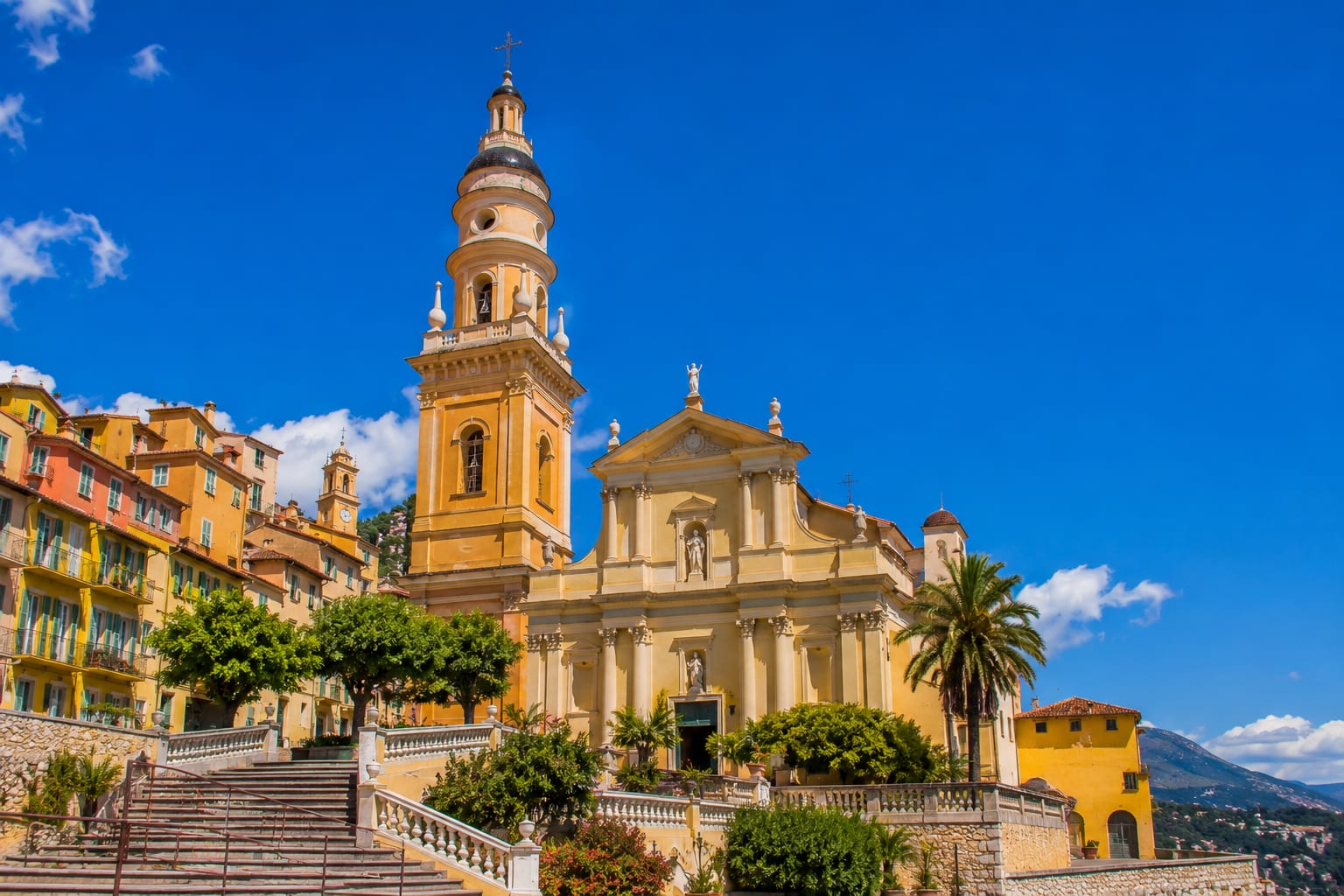
civic
civic
Basilica Saint-Michel-Archange
Menton's old-town landmark above the sea, useful for classic views, music-video mood and visual walks.
Place de l'Eglise, 06500 Menton
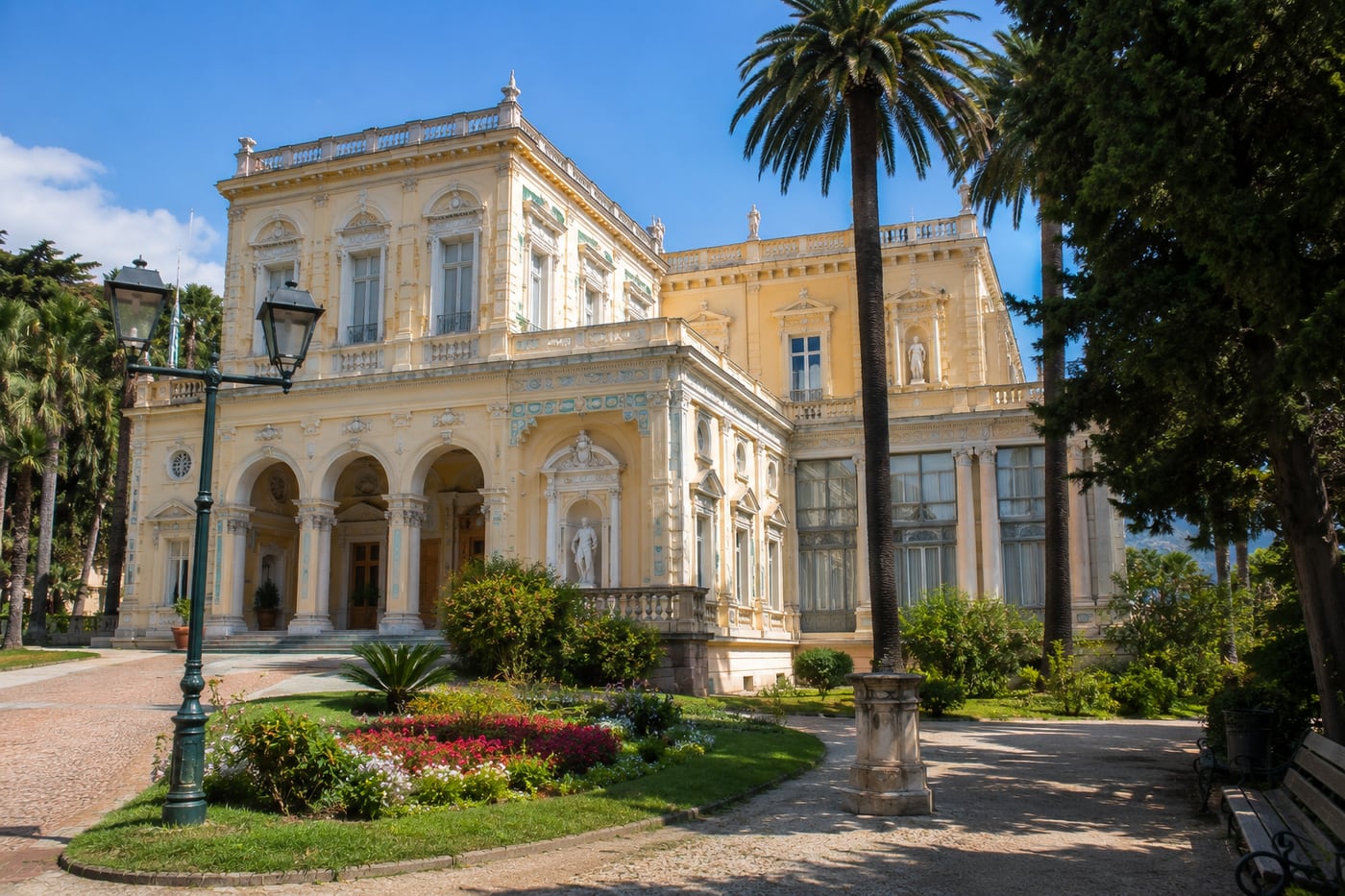
museum
museum
Palais Carnolès
A historic Menton palace and garden complex, used as a screen stand-in for a railway station in Poirot: The Mystery of the Blue Train.
3 Avenue de la Madone, 06500 Menton
Check current hours before visiting
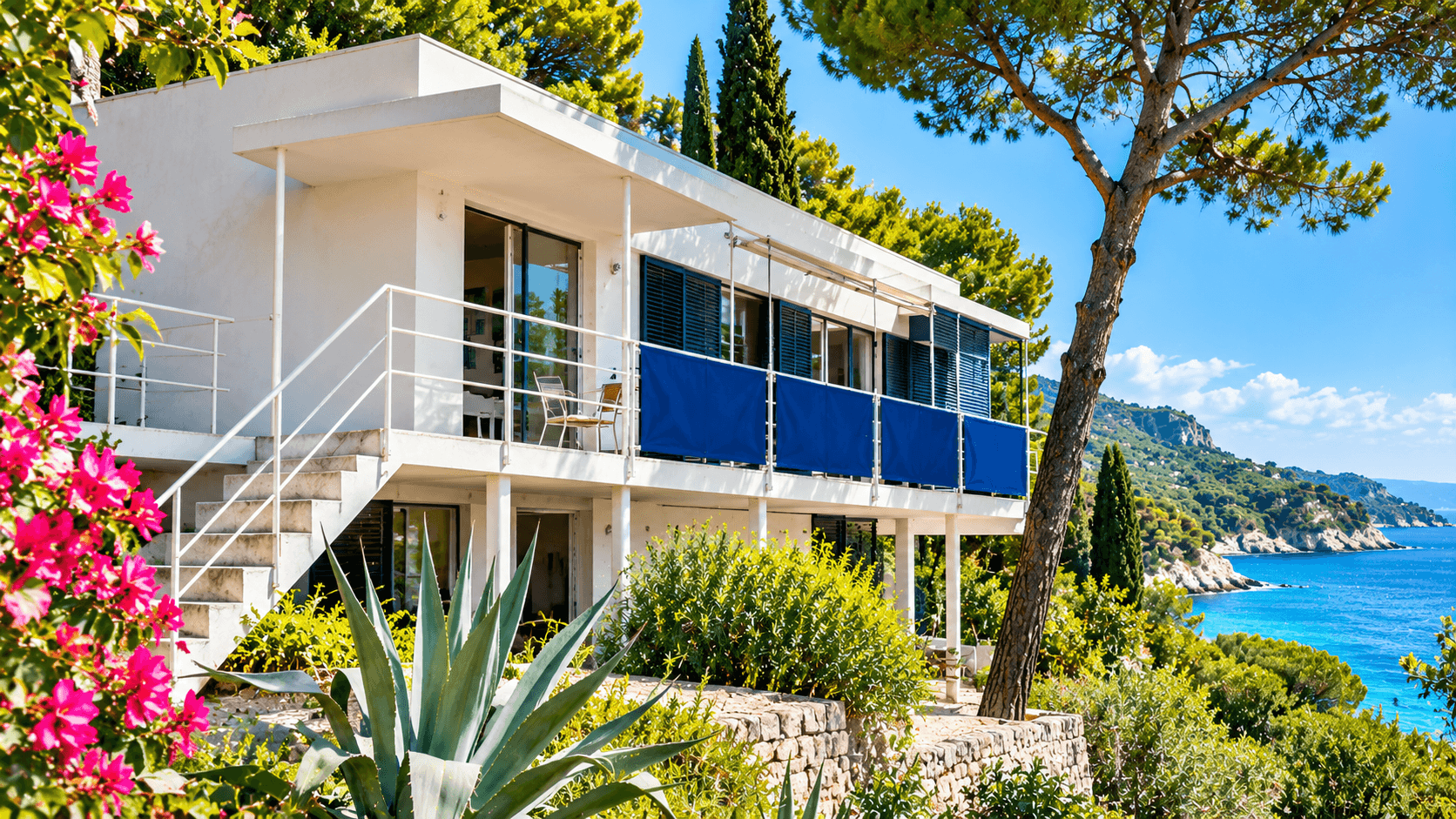
museum
museum
Villa E-1027 / Cap Moderne
Eileen Gray's modernist villa, visited with a booked Cap Moderne tour. Published 2026 season ends 31 October; later visits need a new confirmed programme. Walking approach, uneven ground and steps.
Roquebrune-Cap-Martin; tour meeting point at the railway station
Check current hours before visiting
10. Gardens: the art of creating a Mediterranean paradise
Book connection: Eden Tamed: The Art of Cultivation
The Riviera's gardens may seem natural, but many are the result of extraordinary intervention.
Owners imported plants from different continents, reshaped slopes, constructed terraces and developed elaborate irrigation systems.
The mild climate made ambitious collections possible.
But the gardens required labour, money and specialist knowledge.
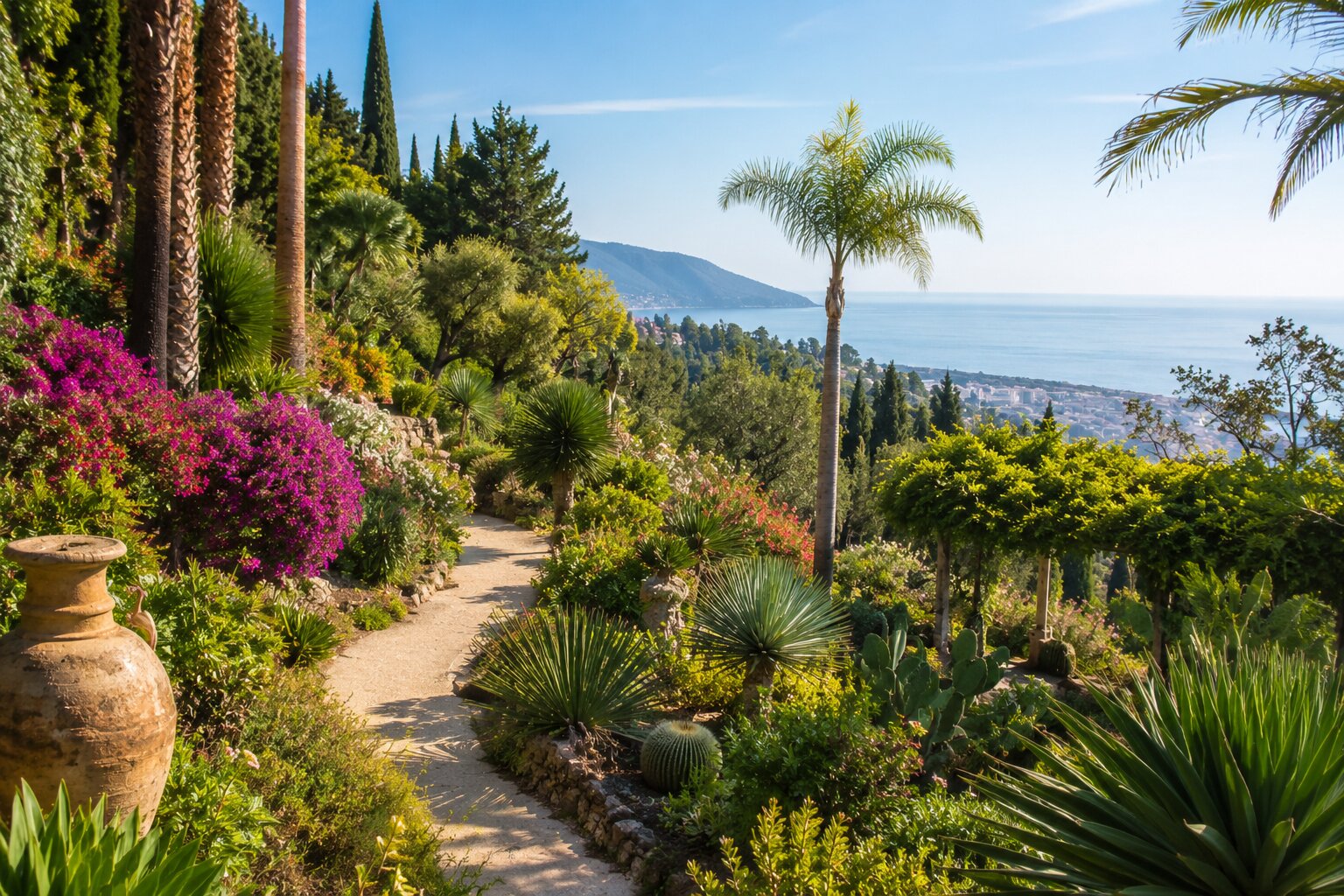
Visit: Val Rahmeh, Menton
The botanical garden at Val Rahmeh offers an excellent introduction to the region's history of plant collecting and acclimatisation.
Its development is associated with British owners and later the botanist Maybud Sherwood Campbell.
The garden's collections include plants from different climatic regions.
On the official page checked 4 November 2026, Val Rahmeh is closed for works through 27 November, with reopening announced for 28 November. Do not plan a visit during that closure.
Visit: Serre de la Madone
The Serre de la Madone garden, created by Lawrence Johnston, offers another perspective on garden design.
Its terraces and planted spaces reveal the relationship between architectural composition and horticulture. The operator announces annual closure in November and December 2026; this specific notice takes precedence here over the page’s generic opening panel. The terrain includes steep and rocky paths and many steps.
Beyond Menton: Villa Ephrussi de Rothschild
The famous gardens at Saint-Jean-Cap-Ferrat represent a different kind of landscape ambition.
They were developed around the collecting interests and tastes of Béatrice Ephrussi de Rothschild. Check winter opening times and the announced exceptional closure on 14 December 2026.
What should you notice?
Don't look only at flowers.
Look at stairs, walls, water systems, views and the relationship between planted areas and surrounding buildings.
The garden is an artwork, but also a maintained environment that changes over time.
A beautiful historic garden is never simply frozen at the moment of its creation.
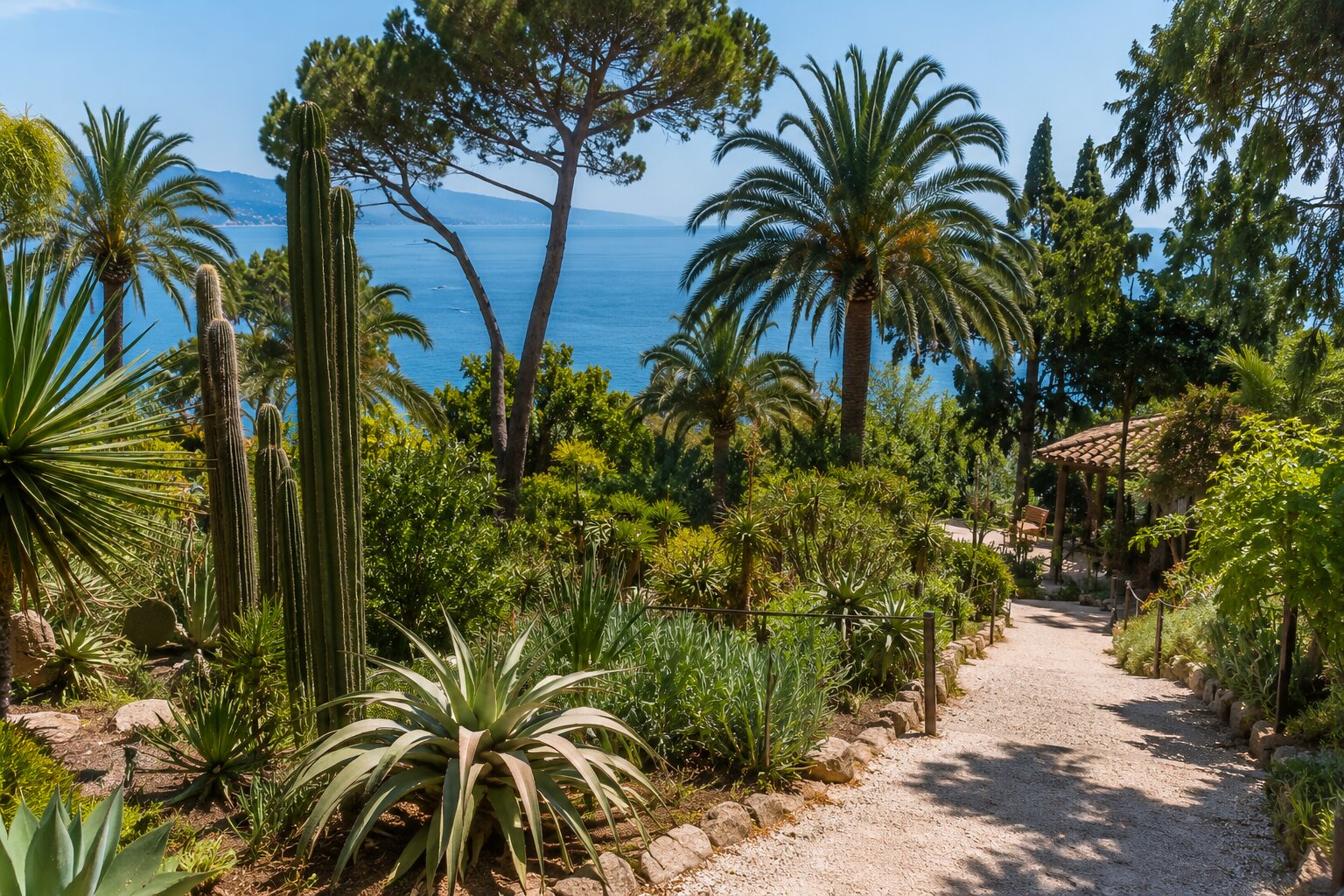
garden
garden
Jardin Botanique Val Rahmeh
A botanical stop to consider for garden lovers and slower itineraries.
Avenue Saint-Jacques, 06500 Menton
Check current hours before visiting
garden
garden
Jardin Serre de la Madone
A garden idea for visitors who want a quieter green break beyond the seafront.
74 Route du Val de Gorbio, 06500 Menton
Check current hours before visiting
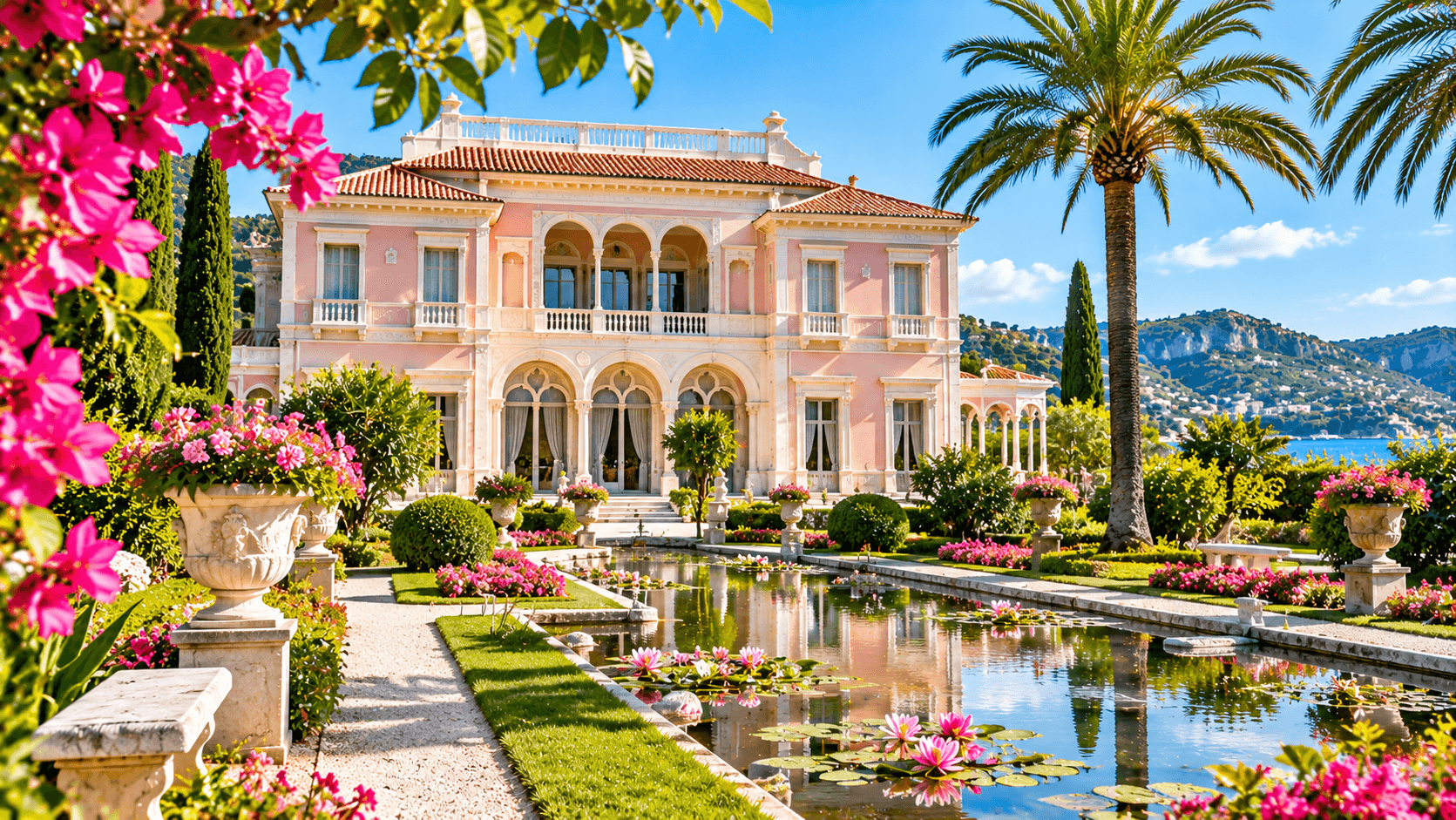
museum
museum
Villa Ephrussi de Rothschild
Béatrice Ephrussi de Rothschild's collections and themed gardens. Public ticketed visit with seasonal hours; exceptional closure announced for 14 December 2026.
Saint-Jean-Cap-Ferrat
Check current hours before visiting
11. The hilltop Riviera: places beyond the fashionable coast
Book connection: Hilltops and Islands: Tall Stories from the Back Country
One of the most useful features of Hale's book is that it doesn't stop at the shoreline.
The inland villages reveal another Riviera.
These settlements have different histories and physical environments from the wealthy coastal resort towns.
Their streets may be steep.
Their public transport can be limited.
And their cultural identity is not simply an extension of the luxury tourism economy.
Sainte-Agnès, Gorbio and Castellar
All three are close to Menton, but they offer distinct experiences.
Sainte-Agnès is known for its dramatic elevated position.
Gorbio has a quieter village atmosphere and narrow historic streets.
Castellar provides views towards the coast and a compact historic centre.
What does this add to a cultural history?
It challenges the idea that the Riviera is only a strip of beaches and hotels.
The coast has always depended on connections with the surrounding hills, agriculture, routes of movement and inland communities.
A practical suggestion
Choose one village for a half-day visit rather than trying to see several on a single rushed excursion.
Confirm public transport and return connections in advance.
Steep streets and uneven surfaces are common.
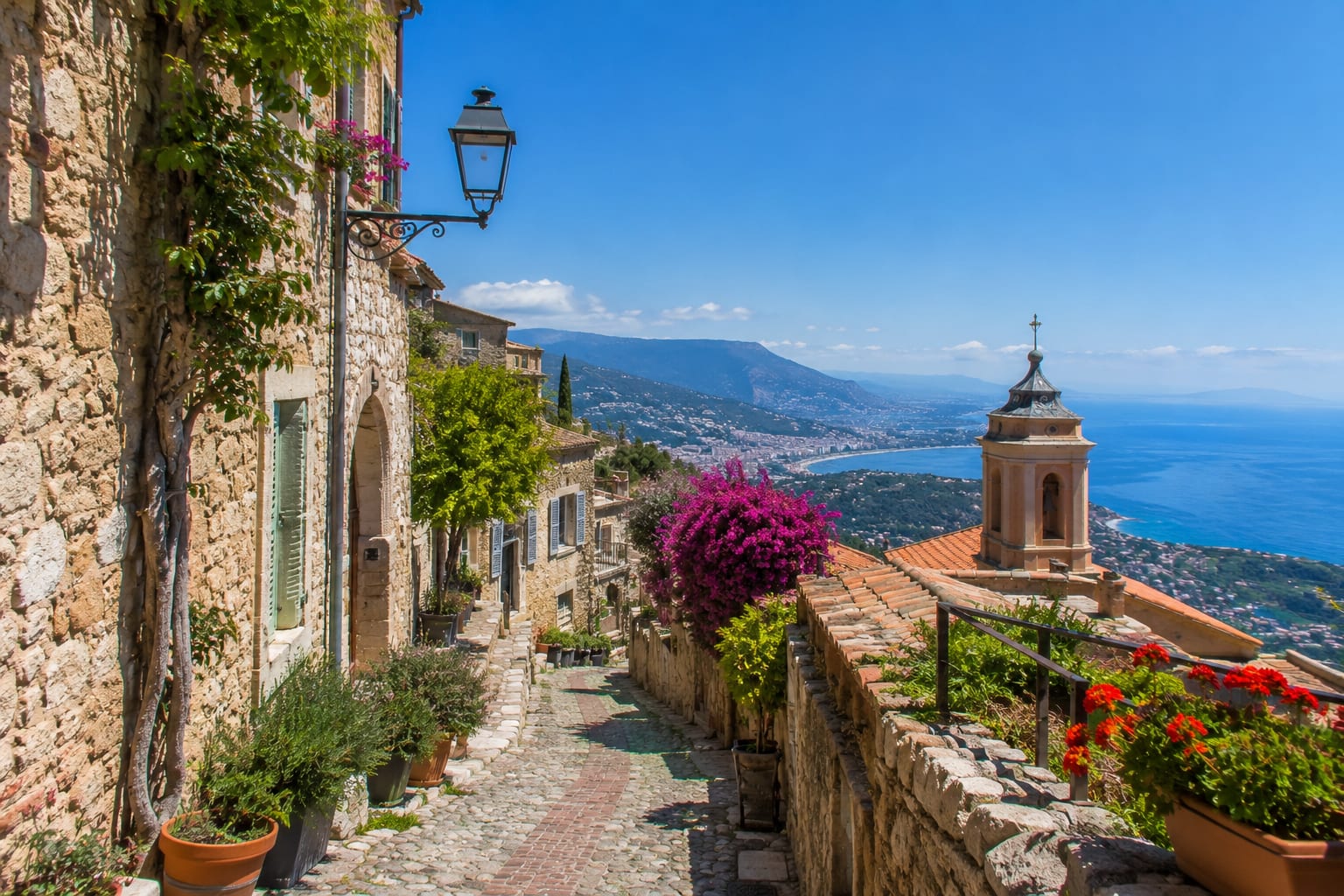
neighbourhood
neighbourhood
Gorbio
A small hill village above Menton, useful for a quieter half-day detour and the Yolo Prelude visual reference.
Hill village above Menton
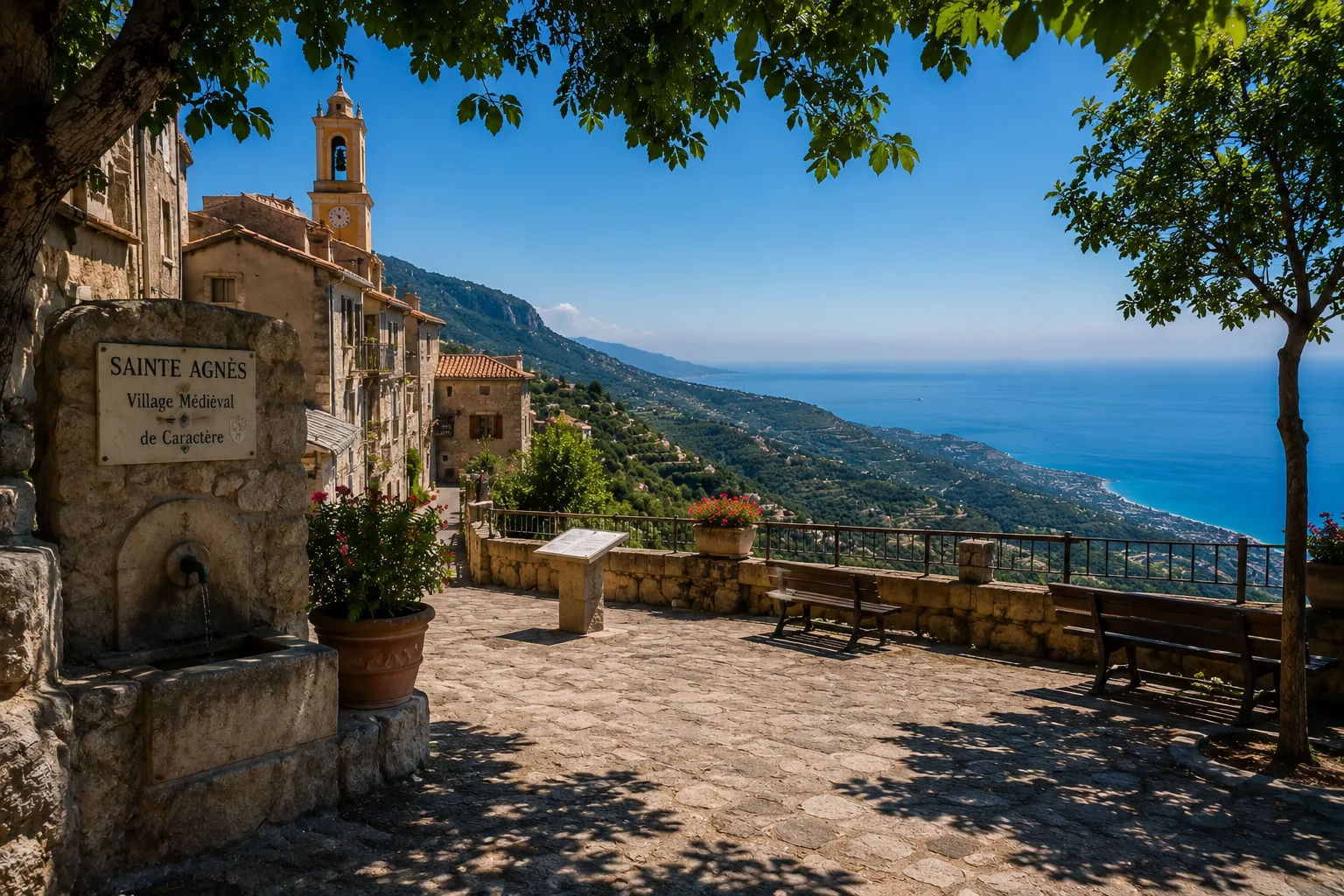
neighbourhood
neighbourhood
Sainte-Agnès
A hill village above Menton, useful for views, walks and occasional organised local celebrations. Check programmes and access before going.
06500 Sainte-Agnès
12. Five cultural outings inspired by Julian Hale
The book covers a much wider geographical area than can be explored during a normal holiday.
For visitors based in Menton, these five excursions provide a manageable introduction to its themes.
These itineraries are original AzurMenton recommendations organised around the subjects of Hale's book. They are not routes supplied by the author. Durations are editorial estimates, not measured transfer times or accessibility assessments. Monaco and La Turbie may be more comfortable on separate days. No current bus departure or return is guaranteed.
If you have only one day
Stay in Menton.
Begin with the old town and Saint-Michel.
Walk towards the historic seafront and Belle Époque buildings.
Visit an open garden or museum whose history interests you.
You can experience several centuries of the region's cultural transformation without leaving town.
If you have three days
Choose Menton, Monaco and Nice.
This gives you three contrasting examples of Riviera identity.
A historic border town transformed by winter tourism.
A small sovereign state associated with international wealth.
And a large Mediterranean city shaped by Roman settlement, international communities and modern artistic life.
If you have a week
Add Juan-les-Pins and one hilltop village.
The result is a broader understanding of the coast without needing to travel constantly.
| Outing | Theme | Main places | Recommended time |
|---|---|---|---|
| Menton: architecture and gardens | British winter tourism, Grimaldi heritage, horticulture | Old town and Belle Époque exteriors; Carnolès garden only when permitted; Val Rahmeh after its announced reopening | One day; not all available in November |
| Monaco and La Turbie | Sovereignty, luxury and Roman history | Monaco-Ville, Monte Carlo, Trophy of Augustus | One full day or two half-days |
| Nice: international cultures | Russian residents, French art, urban development | Orthodox Cathedral, Cimiez, Musée Matisse | One full day |
| Juan-les-Pins | American expatriates and summer culture | Public seafront, Belles Rives exterior context | Half-day or longer |
| Village above Menton | Rural history and inland life | Choose Sainte-Agnès, Gorbio or Castellar | Half-day |
13. What this book adds beyond an ordinary travel guide
Most tourist guides organise a destination according to what the visitor can do.
Beaches.
Restaurants.
Museums.
Gardens.
Hotels.
Hale asks a different question.
Why are those things here in the first place?
Why did particular foreigners choose the Riviera?
How did painters and writers shape its international reputation?
How did architecture and landscape design turn private ambitions into public heritage?
Why do we continue associating the coast with luxury even when much of its history has very little to do with luxury?
These questions make the region more interesting.
A grand hotel becomes part of the history of international winter tourism.
A garden becomes evidence of scientific curiosity and personal ambition.
A casino becomes part of the transformation of a sovereign state.
A church becomes a reminder of political and cultural traditions older than the modern border.
The familiar tourist landscape begins to acquire depth.
14. How to read the book during your holiday
You don't need to read the book from beginning to end before arriving.
Its thematic structure makes selective reading useful.
Before visiting Menton
Read the chapters on British visitors, architecture and gardens.
These will provide context for the town's international winter-resort history.
Before visiting Monaco
Read the chapter on the Grimaldis, along with the sections discussing Monte Carlo and the Casino.
The Roman chapter is especially useful if you intend to visit La Turbie.
Before visiting Nice
Read about Russian residents, French cultural figures and the development of painting, music and cinema.
Before exploring the hilltop villages
Read the concluding chapter on inland settlements and islands.
It provides a useful reminder that the Riviera isn't limited to its coastal resorts.
A useful reading habit
After visiting a place, return to the relevant section.
You may notice details that meant little before you saw the building, garden or landscape for yourself.
15. How does Julian Hale compare with Michael Nelson?
Readers interested in Riviera history may also encounter Michael Nelson's The French Riviera: A History.
The books complement one another, but their emphasis is different.
Neither should be treated as a complete academic reference.
Hale's book is especially rewarding for readers who want to connect cultural history with the places they can still explore.
Nelson provides a broader chronological framework.
Read together, they help explain both how the Riviera changed and how it came to be imagined.
| Julian Hale | Michael Nelson | |
|---|---|---|
| Book | The French Riviera: A Cultural History | The French Riviera: A History |
| Main approach | Cultural themes, international communities, art, architecture and gardens | Broad chronological regional history |
| Particularly useful for | Understanding the Riviera's image and cultural heritage | Establishing a historical timeline |
| Suggested travel use | Choose a theme and visit related places | Follow a historical period across different towns |
16. What readers should keep in mind
A cultural history written in 2009 reflects the sources, interpretations and heritage conditions available at the time.
Some attractions have since changed their visiting arrangements.
Museums may close for restoration.
Gardens may require reservations.
Properties may become private or reopen after conservation work.
Cultural interpretation isn't the same as a complete social history
The lives of wealthy visitors, artists and famous expatriates are particularly well documented.
But they don't represent everyone who lived on the Riviera.
The region's international image depended on local workers, agricultural communities, service industries and the development of infrastructure.
A complete understanding requires attention to those lives too.
Anecdotes need context
Hale includes lively stories about famous visitors.
These make the book enjoyable, but memorable anecdotes should not automatically be treated as conclusive historical evidence.
For detailed research, consult the sources listed in the book and relevant institutional archives.
The Riviera isn't culturally uniform
Menton, Monaco, Nice, Antibes and inland villages have different histories.
Their languages, political relationships and patterns of development are not interchangeable.
One of the pleasures of travelling through the region is discovering those differences.
Frequently asked questions
What is The French Riviera: A Cultural History about?
Julian Hale explores the region through its history, international communities, writers, artists, architecture, gardens and cultural landscape.
Who is Julian Hale?
A writer and broadcaster whose publisher describes him as dividing his time between London and Menton.
When was the book published?
The original edition appeared in 2009, including Oxford University Press catalogue records. Google Books lists an Andrews UK Limited edition dated 24 March 2026; that listing does not establish revised content or current visitor advice.
Is the book specifically about Menton?
No. It covers the wider Riviera, but Menton and the eastern coast are significant parts of its geographical and cultural landscape.
Is this a conventional guidebook?
No. It's a cultural history with places and historical references, rather than a current directory of attractions, ticket prices and transport schedules.
Does the book cover artists and writers?
Yes. Its chapters include French and foreign writers, major painters, musicians, film culture and the development of the Riviera's artistic reputation.
Does it discuss gardens?
Yes. One chapter is devoted to the history and cultural significance of gardens and cultivation along the coast.
Is the book suitable for first-time visitors?
Yes, particularly for readers who want to understand more than the usual tourist attractions. You can read selected thematic chapters before individual excursions.
Can you follow the book from Menton without a car?
Several suggested outings are possible using regional trains and local buses, but destinations such as La Turbie and some hilltop villages require more careful transport planning.
What's the difference between this book and Michael Nelson's history?
Hale places greater emphasis on cultural traditions and the image of the region, while Nelson provides a broader chronological account.
Final thoughts: learning to see a familiar coast differently
The French Riviera is one of the most recognisable landscapes in Europe.
Its blue sea and palm trees have become shorthand for an entire idea of pleasure.
But every famous image has a history.
The hotels were built for particular visitors.
The gardens were planted by people with ambitions, resources and specialised knowledge.
The artists arrived for different reasons.
The borders moved.
The towns changed.
And the cultural image of the Riviera was created over generations.
Julian Hale's The French Riviera: A Cultural History helps readers look beyond the postcard.
For visitors staying in Menton, that is especially rewarding.
You can begin with a historic church, walk past a former grand hotel, explore a garden shaped by international residents and then travel a short distance to a completely different political and cultural environment.
The Riviera remains beautiful.
But after reading its cultural history, the beauty becomes only the beginning of the story.
Sources and further reading
Bibliothèque nationale de France: 2009 edition and contents
Free Library catalogue: Oxford University Press edition
Google Books: Andrews UK 2026 edition metadata
Michael Nelson: author’s books and historical scope
Trophée d’Auguste: operator’s practical information
Saint-Nicolas Cathedral: official visitor arrangements
Val Rahmeh: official opening and works notice
Serre de la Madone: official visit information
Carnolès: municipal notice, last checked 3 November
Cap Moderne / E-1027: published visiting season
Villa Ephrussi: access conditions
Reviewed 4 November 2026, except the Carnolès municipal notice last checked on 3 November and unavailable on recheck. Book themes and structure were checked against bibliographic records, publisher descriptions and independent reviews, not a complete page-by-page reading. The Hale/Nelson comparison is an editorial orientation, not an exhaustive comparative study. Suggested excursions are original AzurMenton interpretations, not Hale’s itineraries. Check actual-date openings, transport and private-property permission. Project illustrations are not documentary access evidence or reproductions of an actual book cover.